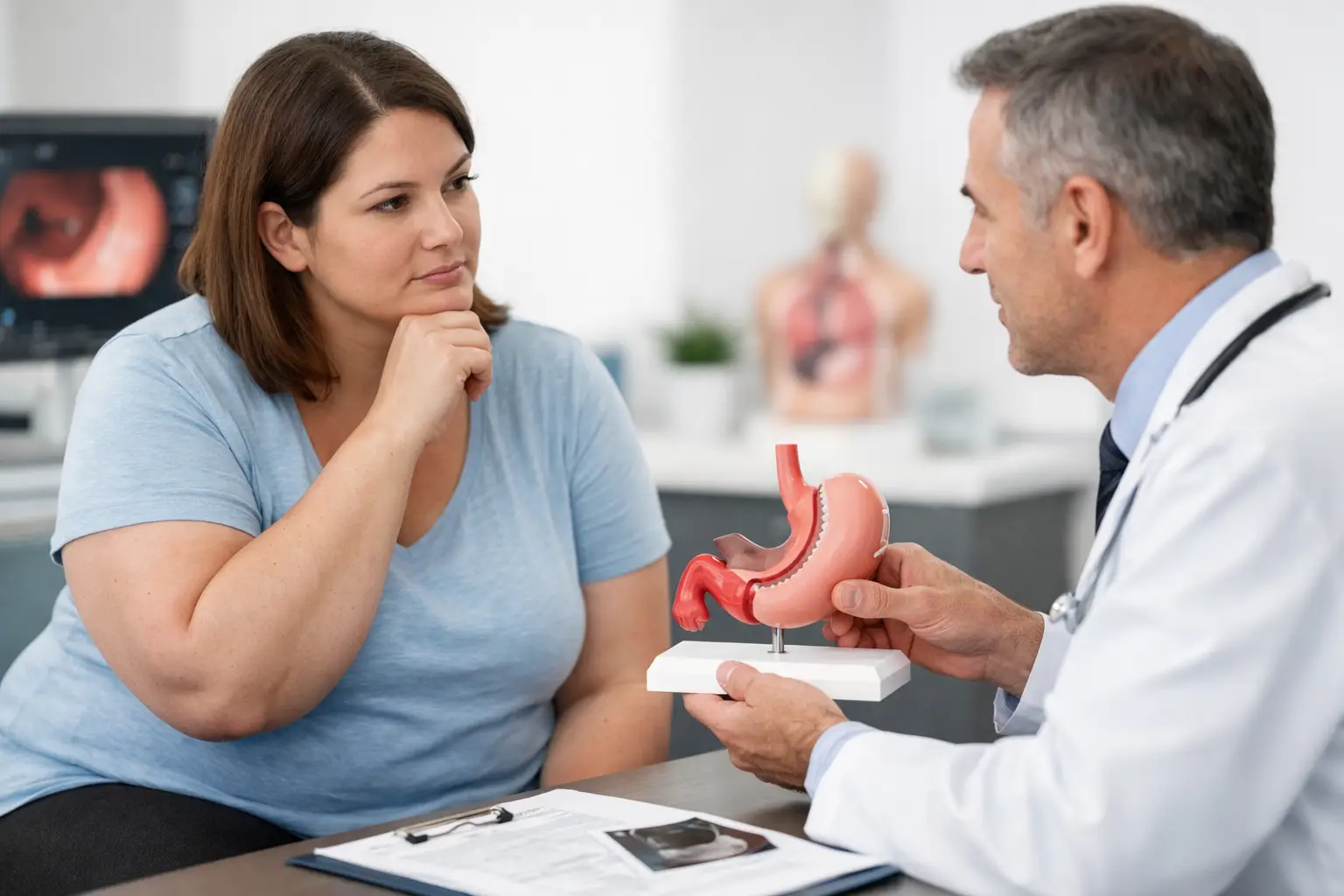

If you are asking who qualifies for gastric sleeve surgery, you are usually not looking for a vague answer. You want to know whether your weight, medical history, eating patterns, and previous attempts to lose weight make you a realistic candidate – and whether a surgeon is likely to say yes.
That decision is never based on one number alone. Gastric sleeve surgery is a major procedure, and good bariatric teams look at the full picture: your body mass index, any obesity-related health concerns, your previous weight-loss efforts, your relationship with food, and whether you are prepared for the changes that come after surgery. The goal is not simply to approve people quickly. It is to recommend surgery safely, for patients who are most likely to benefit from it.
Who qualifies for gastric sleeve?
In straightforward terms, most patients who qualify for gastric sleeve have a BMI of 40 or above, or a BMI of 35 or above with obesity-related medical conditions. These conditions often include type 2 diabetes, high blood pressure, sleep apnoea, joint pain, fatty liver disease, reflux, or reduced mobility.
That said, BMI is only the starting point. A patient with a lower BMI may still be considered in some cases, particularly if weight is seriously affecting health and quality of life. Equally, someone with a qualifying BMI may not be ready for surgery yet if there are untreated medical issues, active substance misuse, or psychological concerns that need to be stabilised first.
This is why a proper pre-operative assessment matters so much. Safe bariatric care is about suitability, not sales.
BMI criteria and what they really mean
BMI is the most common screening tool for gastric sleeve eligibility because it gives the clinical team a quick measure of whether obesity is likely to be causing significant health risk. It is not a perfect system, but it is still widely used.
In general, patients are more likely to qualify if they fall into one of these groups:
- BMI 40 or above
- BMI 35 or above with related medical conditions
- In selected cases, BMI 30-34.9 with serious metabolic concerns, depending on the surgeon and medical assessment
A higher BMI does not automatically make surgery unsafe, but it can affect planning. Patients with very high BMIs may need extra pre-operative preparation, more detailed anaesthetic review, and closer follow-up afterwards. Experienced bariatric teams will look at those risks carefully rather than making assumptions.
For some patients, hearing that BMI is part of the decision can feel frustrating. Many people have spent years being reduced to their weight alone. A good assessment should feel different. It should consider how obesity is affecting your daily life, your comfort, your confidence, and your long-term health – not just what appears on a chart.
Medical conditions that support eligibility
For patients whose BMI is between 35 and 40, related health conditions often strengthen the case for surgery. These are not minor details. They are part of the reason bariatric surgery can be medically valuable rather than purely cosmetic.
Common obesity-related conditions include type 2 diabetes, insulin resistance, high blood pressure, obstructive sleep apnoea, polycystic ovary syndrome, high cholesterol, chronic joint pain, and reduced fertility linked to weight. Some patients also seek surgery because everyday life has become harder – climbing stairs, walking comfortably, fitting into seats, sleeping well, or keeping up with children.
These quality-of-life factors matter. Bariatric surgeons are not only looking for laboratory results. They are also assessing how much your weight is limiting normal life and whether surgery could meaningfully improve that.
Previous attempts to lose weight still matter
One of the most common worries patients have is this: what if I have tried everything already and failed? In reality, that history often supports your case.
Most suitable patients for gastric sleeve have already made repeated efforts with dieting, exercise plans, commercial weight-loss programmes, medication, or coaching. Surgery is usually considered when those efforts have not led to durable, medically meaningful results.
This does not mean you need to arrive with a perfect record of eating or exercise. It means the clinical team wants to see that surgery is being approached as a serious treatment option, not as a shortcut. Long-term obesity is complex. Hormones, hunger, metabolism, emotional eating, mobility problems, and genetics can all play a role. For many patients, surgery becomes the tool that finally makes sustained change possible.
Age, general health, and surgical safety
There is no single ideal age for a gastric sleeve, but most adult patients are assessed on overall health rather than age alone. Someone in their late twenties may be a poor candidate if their expectations are unrealistic or they are medically unstable. Someone in their fifties may be an excellent candidate if they are well assessed and supported.
What matters most is whether surgery can be performed safely and whether the patient is likely to cope well with recovery and long-term follow-up. This is why pre-op checks usually include blood tests, cardiac review such as an ECG, imaging where needed, and a detailed medical history.
Some conditions may require extra caution rather than ruling surgery out completely. Previous abdominal surgery, severe reflux, heart or lung disease, or certain endocrine disorders may affect whether a sleeve is the best option, or whether another bariatric procedure would be more suitable. This is one reason personalised advice matters more than online calculators.
Psychological readiness is part of who qualifies for gastric sleeve
The physical criteria are only half of the picture. Psychological readiness plays a major role in who qualifies for gastric sleeve and who is likely to do well afterwards.
A gastric sleeve changes how much you can eat, how quickly you feel full, and how your day-to-day routines work. It does not remove emotional eating overnight, and it does not solve stress, binge-eating triggers, or body image concerns by itself. Patients need a realistic understanding of what surgery can and cannot do.
This does not mean you need to be perfectly confident or free of anxiety. Feeling nervous is normal. What matters is being willing to follow clinical advice, attend follow-up, adapt your eating habits, and ask for help when needed. If there is active untreated depression, an eating disorder, or another significant mental health concern, the safest route may be to address that first and revisit surgery afterwards.
That pause can feel disappointing, but it is often protective. Good bariatric care is not about rushing people into theatre before they are ready.
Lifestyle changes surgeons expect before approval
Patients are often surprised that eligibility is tied not only to weight, but to behaviour. Surgeons want to see signs that you can work with the process.
That usually includes stopping smoking, reducing alcohol, following pre-op dietary instructions, staying honest about your medical history, and understanding the practical side of recovery. After surgery, you will need to eat slowly, prioritise protein, stay hydrated, take recommended supplements, and attend aftercare reviews. If a patient is unwilling to engage with those basics, surgery may be delayed.
This is not about judgement. It is about protecting your outcome. The best results tend to come from patients who understand that the sleeve is a powerful tool, but still a tool.
When someone may not qualify yet
There are situations where a patient may not qualify immediately, even if their BMI fits the standard criteria. This can happen if there is uncontrolled medical disease, untreated sleep apnoea, active infection, pregnancy, substance misuse, or serious psychological instability.
Sometimes the issue is simply that another procedure may suit the patient better. For example, a person with severe acid reflux may not be the best gastric sleeve candidate and may need to discuss gastric bypass instead. Someone looking for surgery without understanding the lifelong changes involved may need more education before moving ahead.
Being told not yet is not always a rejection. Often, it is part of making surgery safer and more effective.
Why proper assessment matters even more when travelling abroad
If you are considering treatment overseas, eligibility checks should be even more careful, not less. You should expect a structured process with medical questionnaires, pre-operative testing, surgeon review, and clear advice about whether gastric sleeve is genuinely appropriate for you.
For international patients, especially those travelling from the UK or Ireland, practical support can make a stressful process feel far more manageable. Coordinated testing, hospital scheduling, transfers, translation, and aftercare planning all help reduce the sense of doing something high-stakes on your own. At Bridge Health Travel, that kind of support is built around the clinical decision, not used as a substitute for it.
The right team will never treat qualification as a tick-box exercise. They will explain why you are suitable, what risks apply to you personally, and what your next steps should look like.
If you think you may qualify for gastric sleeve surgery, the most useful next move is not guessing from forums or comparing yourself with strangers online. It is having your case reviewed properly, so you can make a calm, informed decision with real medical guidance behind it.