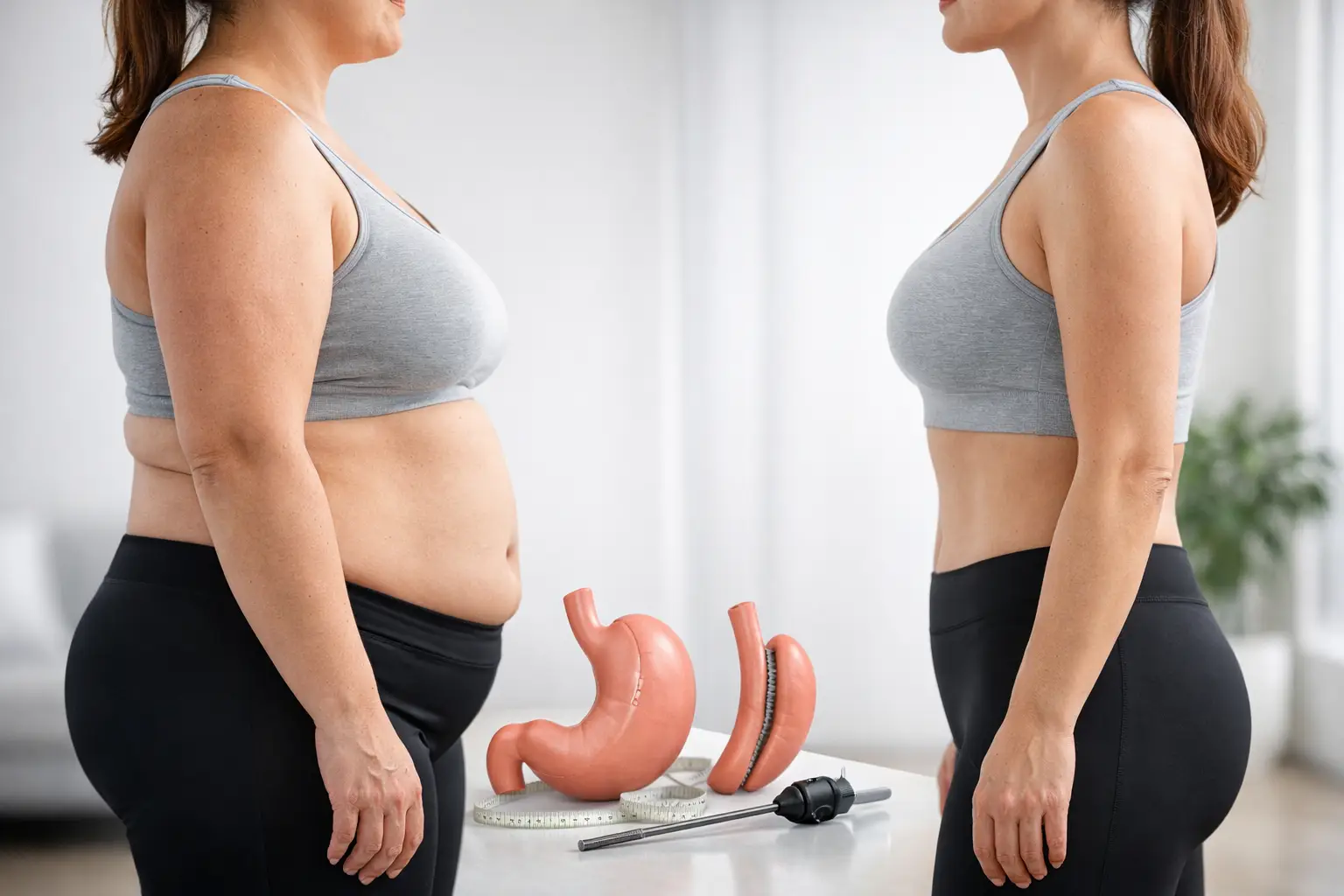

Photos often get the attention first. A looser waistband, a clearer jawline, a smile that looks more relaxed. But before and after sleeve results are not just about appearance. For most patients, the real shift is being able to walk further without pain, fit comfortably in an airline seat, sleep better, and feel less ruled by hunger.
That matters because gastric sleeve surgery is not a cosmetic shortcut. It is a metabolic and behavioural reset that can lead to significant weight loss, but the timeline, rate of change and final result vary from person to person. Good guidance starts with realistic expectations.
What before and after sleeve results usually look like
In the first few weeks after surgery, the changes are not always dramatic in the mirror, but they are often noticeable in the body. Swelling settles, portion sizes become much smaller, and many patients report that food noise eases. Clothes may start to feel different before the scales tell the whole story.
By three months, weight loss is usually much more visible. Face shape often changes early, followed by the waist, chest and thighs. Mobility tends to improve as well. Patients frequently tell us that stairs feel easier, knee pain reduces, and everyday tasks take less effort.
At six months, before and after sleeve results are often striking enough that friends and family comment regularly. This can feel encouraging, but it can also feel emotionally complex. Some patients love the attention. Others prefer the physical improvements to speak for themselves.
Around the one-year mark, many people have lost a substantial amount of excess weight. Just as important, they may also see improvements in obesity-related issues such as reflux patterns, joint strain, blood sugar control, snoring or energy levels, although this depends on the individual and their medical history. The best outcomes are not only lighter bodies, but easier lives.
What affects sleeve results after surgery
No ethical clinic should promise identical outcomes for every patient. Sleeve surgery is powerful, but it is still one part of a bigger process.
Your starting weight matters. Patients with a higher BMI may lose more total weight in kilograms, while someone starting at a lower weight may appear to change faster visually. Age, sex, hormonal conditions and previous dieting history can also influence the pace of loss.
Your adherence after surgery matters just as much. Hydration, protein intake, movement, vitamin use and follow-up all shape the result. A patient who treats the sleeve as a tool and stays engaged with aftercare will usually do better than someone who expects surgery to carry the full load alone.
There is also the question of body composition. Two people can lose the same number of kilograms and look very different afterwards. Preserving muscle through adequate protein and sensible activity makes a visible difference over time.
The stages behind before and after sleeve results
The early post-operative phase can be emotionally misleading. Weight often drops quickly at first, then slows, then picks up again. This does not automatically mean something is wrong. The body is healing, fluid shifts are happening, and intake changes week by week.
During the liquid and soft food stages, the focus is less about chasing fast loss and more about safe recovery. Patients who rush textures, skip fluids or ignore discomfort can make the process harder than it needs to be.
Between three and nine months, many people hit their strongest period of weight loss. This is often when routines become more settled and confidence grows. It is also when old habits can try to creep back in. Grazing, high-calorie liquids and inconsistent meal structure can all blunt progress, even with a smaller stomach.
After the first year, results are usually less about rapid loss and more about maintenance, body confidence and long-term health. That stage deserves just as much support as the lead-up to surgery.
The changes people do not see in photos
Before and after pictures can be useful, but they rarely show the whole story. They do not show the patient who no longer needs to plan the day around fatigue. They do not show someone feeling calm enough to join family photos again. They do not show reduced embarrassment at social meals, or the relief of finding a seatbelt that fits properly.
They also do not show the discipline involved. Successful sleeve patients are not simply lucky. Most have had to rebuild their relationship with food, learn new routines and stay consistent when progress slowed.
This is one reason hands-on support matters. When patients are travelling abroad for surgery, peace of mind comes from knowing the practical side is organised and the clinical side is monitored carefully. A structured process with pre-op testing, hospital coordination, clear instructions and aftercare check-ins removes a great deal of avoidable stress.
Common concerns about sleeve results
One of the most common worries is loose skin. The truth is that it depends. Age, genetics, starting size, rate of weight loss and muscle mass all play a part. Some patients have only mild looseness. Others notice more around the arms, abdomen or thighs. This is not a sign of failure. It is often part of major weight loss.
Another concern is whether the weight will come back. Regain can happen, but it is not inevitable. The sleeve reduces stomach size and affects hunger hormones, yet long-term success still relies on habits. Regular meals, protein-first eating, avoiding frequent snacking and staying connected to follow-up support all help protect results.
Some patients also worry when their loss does not match someone else’s online. Comparison is usually unhelpful here. Different bodies respond differently. What matters more is whether your trend is moving in the right direction and whether your health and daily function are improving.
Why realistic expectations lead to better outcomes
Patients tend to do best when they understand both the potential and the limits of surgery. Gastric sleeve can deliver life-changing change, but it is not a guarantee of perfection. You may still have weeks where motivation dips. You may need to work through emotional eating patterns. You may reach a weight that improves your health dramatically without matching the number you once imagined.
That does not make the result disappointing. In many cases, it makes it more sustainable.
A clinically sound team should explain this openly. Reassurance is not about saying everything will be easy. It is about making sure you know what is normal, what needs attention, and what kind of support is available at each stage.
Choosing support that protects your sleeve results
If you are considering treatment abroad, look beyond the headline price. Ask how pre-operative suitability is assessed, what testing is included, who coordinates your stay, how hospital care is structured and what happens once you return home. These details affect both safety and confidence.
For many international patients, especially those travelling from the UK and Ireland, having one coordinator throughout the process makes a real difference. When transfers, accommodation, hospital scheduling and communication are managed properly, patients can focus on recovery instead of logistics. That is a major part of why services such as Bridge Health Travel exist in the first place.
Good aftercare is equally important. Before and after sleeve results are shaped not only by the operation itself, but by what happens in the months that follow. Questions about portions, stalls, vitamins, hydration or exercise are normal. Patients should not be left to guess.
A better way to think about success
The strongest sleeve results are not always the most dramatic photos. Sometimes success is getting off blood pressure medication. Sometimes it is sitting comfortably in a theatre seat, keeping up on holiday, or feeling less anxious about your reflection. Sometimes it is simply having the energy to live more freely.
If you are looking at before and after sleeve results and wondering what yours might be, the most honest answer is this: there is real potential for significant change, but the best outcome comes from the right surgery, the right preparation and the right support around you. Aim for progress you can keep, not just a picture you can post.