
A prescription that reduces appetite can feel like a far less daunting step than an operation. For some people, it is exactly the right place to start. But when weight has affected mobility, sleep, blood pressure, fertility, confidence or daily comfort for years, bariatric surgery versus medication is not a simple choice between an easy option and a difficult one. It is a decision about the treatment that can realistically support your health, circumstances and long-term goals.
Both routes can be clinically appropriate. Both require commitment after treatment. The most useful question is not, “Which works best for everyone?” It is, “Which approach gives me the safest and most sustainable chance of progress, with the right medical and practical support around me?”
Bariatric surgery versus medication: the core difference
Weight-loss medications, including newer medicines that influence appetite and blood-sugar regulation, work while they are being taken. They can reduce hunger, help portions feel more manageable and support meaningful weight loss alongside nutrition, movement and behavioural changes. They do not involve an operation, hospital admission or surgical recovery.
Bariatric surgery changes the digestive system to help patients eat less and, depending on the procedure, alter how the body responds to food. A gastric sleeve removes part of the stomach, while gastric bypass procedures create a smaller stomach pouch and reroute part of the small intestine. Gastric balloon treatment is temporary and non-surgical, but still requires an endoscopic procedure and a structured eating plan.
The distinction matters because surgery is intended as a durable physical intervention, while medication is generally an ongoing treatment. If medication is stopped, appetite and weight can return for many patients. Surgery does not remove the need for lifelong habits, but its effects can continue long after the initial recovery period.
What results can you reasonably expect?
Results vary widely with starting weight, health conditions, medication type, procedure choice and follow-up. It is unhelpful to promise a particular number on the scales before a clinical assessment. However, surgery generally produces greater average long-term weight loss than medication alone, particularly for people living with higher levels of obesity.
Medication can be a valuable option for someone who prefers a non-surgical route, is not currently ready for surgery, or needs to reduce weight before an operation. It may also be used after bariatric surgery where clinically appropriate, such as when weight regain needs additional medical support. The two approaches are not always competitors.
Surgery is often considered when weight-related conditions are already causing serious concerns, when repeated non-surgical attempts have not lasted, or when a person needs a more powerful intervention to improve health and quality of life. Conditions such as type 2 diabetes, obstructive sleep apnoea, high blood pressure and joint pain may improve with substantial weight loss, although no outcome can be guaranteed for an individual.
The best measure of success is not only kilograms lost. It may be walking without pain, coming off certain medicines under a GP’s supervision, playing with children, sleeping better or feeling comfortable booking a holiday without planning every seat and staircase around your body.
The commitment looks different, not smaller
Medication can sound simpler because there is no surgery. Yet it still asks a great deal. Depending on the prescription, you may need regular injections or tablets, gradual dose adjustments, repeat prescriptions, monitoring and continued affordability. Side effects can include nausea, constipation, diarrhoea, reflux or fatigue, especially during dose changes. Some people tolerate medication well; others do not.
A common challenge is the long-term plan. If a medicine has controlled hunger effectively, what happens if access changes, costs rise or you decide to stop? A prescribing clinician should discuss this before treatment begins, rather than presenting medication as a short course with permanent effects.
Bariatric surgery has a more intensive beginning. There are pre-operative tests, anaesthesia, several days of recovery and a staged diet that moves from liquids to soft foods and then regular textured meals. Patients must take recommended vitamins and minerals, attend follow-up, prioritise protein and fluids, and learn new eating patterns. Some procedures require particularly careful long-term nutritional monitoring.
That early effort is substantial, but many patients value the structure. Surgery creates a clear reset point and a framework that can make behaviour change feel more achievable. It is not a shortcut. It is a medical tool that works best when patients are properly prepared and supported.
Risks deserve an honest conversation
Every treatment has risks. With medication, these may range from unpleasant digestive symptoms to more serious but less common complications that need urgent assessment. Your medical history matters, including previous pancreatitis, gallbladder disease, kidney issues, mental health, eating patterns and other medicines. Pregnancy plans should also be discussed with the prescribing team.
With surgery, the risks include bleeding, infection, blood clots, leaks and reactions to anaesthesia, as well as later concerns such as reflux, ulcers, strictures, gallstones, dumping syndrome or nutritional deficiencies. The risk profile differs between gastric sleeve, gastric bypass and mini gastric bypass. A procedure that is excellent for one patient may be unsuitable for another, particularly if severe reflux, diabetes, previous surgery or nutritional concerns are involved.
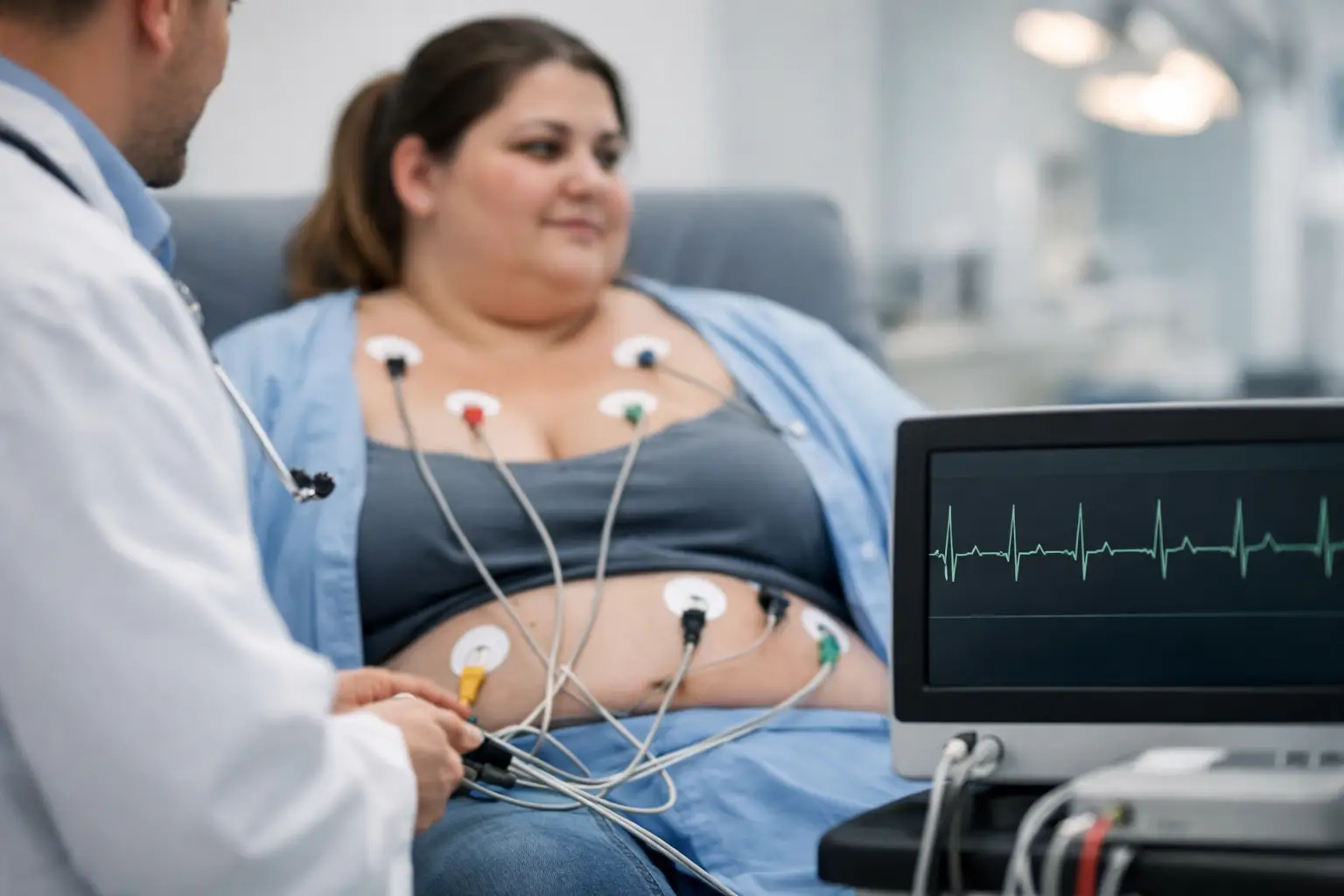
This is why a proper assessment should never be rushed. Good care includes reviewing your medical history, body mass index, previous weight-loss efforts, eating habits, blood tests and any relevant imaging or cardiac checks. You should understand why a clinician recommends a particular treatment, what recovery involves and when you should seek help after returning home.
Choosing surgery when travelling abroad
For UK and Irish patients considering treatment in Turkey, the decision involves more than selecting a surgeon or comparing package prices. You need to know who coordinates the hospital schedule, arranges pre-operative testing, explains instructions in clear English and remains available if something feels worrying after discharge.
A well-organised pathway should include airport transfers, accommodation planning, hospital admission, bloodwork, ECG and other indicated checks, interpreter support where needed, and clear medication and diet guidance. Ask whether the surgeon sees you during your stay, who is available overnight, how complications are handled and what aftercare contact looks like once you are home.
At Bridge Health Travel, the practical side of treatment is treated as part of patient safety, not an extra. A coordinator can help make a demanding week in Antalya feel orderly and supported, while the clinical team focuses on whether surgery is medically appropriate for you.
When medication may be the better first step
Medication may be the more suitable choice if you have only recently begun structured weight management, have a lower surgical risk threshold, need time to prepare emotionally, or have a health condition that makes surgery inappropriate at present. It can also help patients build confidence with smaller portions and regular routines before making a surgical decision.
It may be especially sensible if you are unsure whether you can commit to the vitamin, diet and follow-up requirements after surgery. Honest hesitation is useful information. Bariatric surgery asks for permanent changes, and choosing it because of pressure from others rarely leads to the strongest foundation.
When surgery may offer the clearer path
Surgery may be worth serious consideration when obesity has become a persistent medical problem rather than a temporary weight concern. If you have tried supervised diets, exercise plans and medication without maintaining progress, repeating the same approach may not be the kindest plan for yourself.
It can also be a strong option for people who want a treatment with established long-term evidence and are ready to engage fully with follow-up. The right procedure is chosen through medical assessment, not through a trend, a friend’s result or the lowest advertised price.
Make the decision with a full picture
Before choosing either route, ask for clarity on expected weight loss, likely side effects, total ongoing costs, monitoring, nutritional needs and the plan if treatment does not produce the hoped-for result. Include the people who will support you at home, because their understanding can make the first weeks easier.
The treatment you choose should leave you feeling informed rather than rushed. Whether your next step is medication, surgery or further assessment, the goal is the same: a safer, more manageable life built with the right clinical care and steady support behind you.