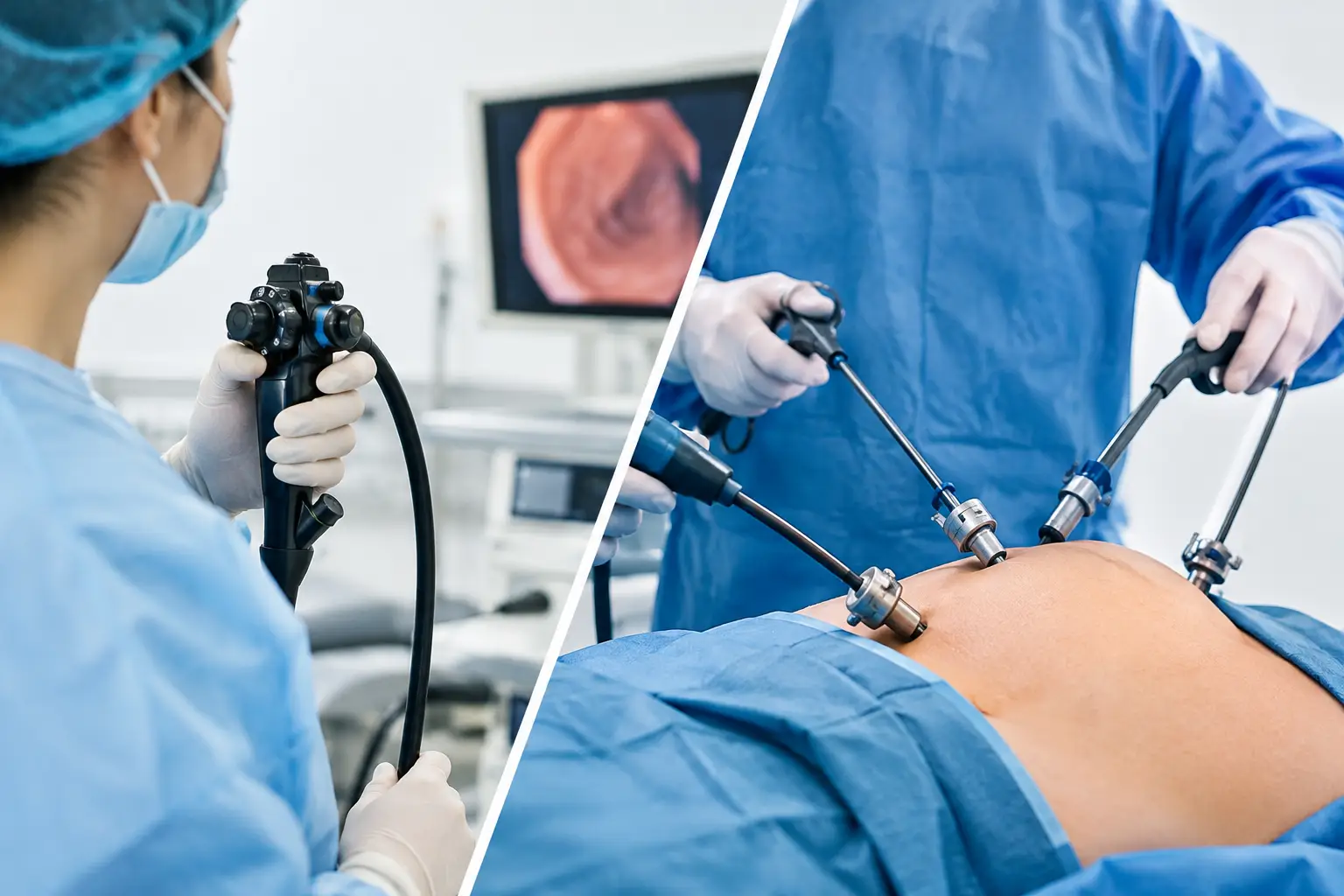

A consent form should never be the first time you hear about a serious risk, a change to your diet, or the possibility that surgery may not deliver the result you hope for. This informed consent guide is designed to help you have the right conversations before travelling for bariatric surgery, so your decision is based on clear information rather than pressure, fear, or a headline price.
For many patients, surgery represents a carefully considered next step after years of trying to manage weight, mobility, health conditions, and confidence. It can be life-changing, but it is still major surgery. The best preparation is not simply arranging flights and packing a hospital bag. It is understanding what the procedure involves, why it has been recommended for you, and what your own role in recovery will be.
What informed consent really means
Informed consent is an ongoing clinical conversation between you and the treating surgical team. It means you have received information you can understand, had a genuine opportunity to ask questions, and have chosen freely whether to proceed.
It is more than signing paperwork. A signed form records the discussion, but it does not replace it. You should feel able to pause, request clarification, speak to the surgeon, involve a partner or family member, or decide not to go ahead. You can withdraw consent before the procedure begins.
For international patients, consent also needs to account for the practical realities of travelling for treatment. You should understand who will perform your surgery, where it will take place, what support is available during your stay, and how aftercare will work once you are home in the UK or Ireland.
A coordinator can explain the patient journey, organise appointments, arrange translation, and make sure your questions reach the right clinical professional. However, only the qualified clinician responsible for your care can obtain medical consent and advise whether a procedure is suitable for you.
Your informed consent guide: the information you need
Your diagnosis, goals, and suitability
Start with the reason surgery is being considered. Your team should assess factors such as your BMI, medical history, previous weight-loss attempts, medications, eating habits, mental wellbeing, and obesity-related conditions such as type 2 diabetes, sleep apnoea, high blood pressure, or joint pain.
Bariatric surgery is not a cosmetic shortcut, and it is not identical for every patient. A gastric sleeve may be appropriate for one person, while gastric bypass, mini gastric bypass, a balloon, or a revisional procedure may be better suited to another. In some cases, a surgeon may advise delaying surgery until a medical issue is stabilised or further tests are completed.
Be open about anything that could affect your safety, including previous abdominal surgery, reflux, blood clots, allergies, pregnancy plans, alcohol or substance use, prescription medication, and mental health treatment. These details are not barriers to care. They help the clinical team plan responsibly.
What the procedure involves
Ask for a plain-English explanation of the recommended operation. You should understand what will physically change, whether the procedure is restrictive, malabsorptive, or both, how long it usually takes, and what happens on the day of surgery.
For example, gastric sleeve surgery removes a large portion of the stomach to reduce its capacity. Gastric bypass creates a smaller stomach pouch and reroutes part of the small intestine. Both can support substantial weight loss, but they have different considerations around reflux, nutrition, long-term supplements, and follow-up.
If you are considering a scarless gastric sleeve or another specialised technique, ask what the approach means in practical terms, whether it is clinically suitable for you, and how its risks compare with conventional laparoscopic surgery. A technique should be chosen for sound medical reasons, not because its name sounds more appealing.
Benefits, limits, and realistic expectations
Your surgeon should discuss the potential benefits relevant to your health, such as weight loss, improved mobility, better control of certain obesity-related conditions, and improved quality of life. But consent is informed only when the limits are discussed too.
Weight loss varies considerably. It depends on the procedure, starting health, food choices, activity, follow-up, medication, hormonal factors, and your ability to maintain long-term behaviour changes. Some patients experience weight regain, plateaus, loose skin, changes in relationships with food, or disappointment even when surgery is technically successful.
Surgery changes the anatomy of the digestive system. It does not remove the need for regular meals, protein intake, hydration, movement, vitamin and mineral supplements, and continued medical follow-up. If that commitment feels unmanageable right now, say so. It is a conversation worth having before, not after, surgery.
Risks and complications
Every operation carries risk, even when performed by experienced teams in a well-equipped hospital. Your surgeon should explain general surgical risks, including bleeding, infection, reactions to anaesthesia, blood clots, and the possible need for further treatment.
Bariatric procedures have additional risks that vary by operation and individual circumstances. These may include staple-line leak, narrowing or blockage, ulcers, reflux, gallstones, dumping syndrome, dehydration, nutritional deficiencies, hair thinning during rapid weight loss, and the need for revisional surgery. Serious complications are uncommon, but uncommon does not mean irrelevant when it is your health.
Ask how risks are reduced. This might include pre-operative bloodwork, ECGs, imaging where needed, anaesthetic review, compression stockings, blood-thinning medication, early mobilisation, and daily clinical checks. Also ask what happens if there is a complication while you are in Turkey, after discharge from hospital, or after you have returned home.
A trustworthy answer is specific. You should know who to contact, what symptoms require urgent attention, whether emergency care is covered by your own travel insurance, and how your UK GP or local emergency service may be involved if necessary.
Alternatives, including choosing not to have surgery
Consent requires a discussion of reasonable alternatives. Depending on your circumstances, these may include medically supervised weight management, nutritional support, psychological therapy, medication, endoscopic treatment, a different bariatric procedure, or postponing surgery.
There is no universal “best” option. The right route depends on your health profile and priorities. You may decide that surgery is right for you after considering the alternatives. You may also decide that it is not the right time. Both are valid outcomes of a proper consultation.
Questions to ask before you travel
Written questions are useful because pre-operative appointments can feel emotional and fast-moving. You do not need to ask every question at once, but you should be comfortable with the answers before paying a final balance or boarding a flight.
Ask who your surgeon and anaesthetist will be, their relevant experience, and which hospital you will attend. Confirm what pre-operative tests are included and whether any result could change the plan. Ask how many nights you should expect to stay in hospital and locally before flying home, as fitness to fly depends on your procedure and recovery.
It is equally sensible to ask what is included in the package and what is not. Clarify hospital care, medication, transfers, hotel arrangements, companion accommodation, translation, follow-up appointments, supplements, and the process if surgery must be postponed for medical reasons. Clear costs do not replace clinical quality, but uncertainty around costs adds unnecessary stress.
If English is not the language used by all members of your clinical team, ask how interpretation will be provided during consultations, consent discussions, and discharge planning. You should never feel rushed into agreeing to something you have not understood.
Give yourself time and protect your choice
Good consent has no countdown clock. Be cautious if you are encouraged to book immediately, discouraged from asking about risks, or promised a guaranteed result. Equally, do not let anxiety prevent you from seeking clear answers. Pre-operative nerves are normal, and a caring team will take them seriously.
Bring a partner, friend, or family member into the conversation if that helps. They may remember questions you forgot or provide reassurance during recovery. The final decision remains yours, provided you have the capacity to make it, but you do not have to make it alone.
At Bridge Health Travel, coordinators can help patients organise the practical pathway around their clinical care, from testing and transfers to communication during recovery. That support should make the medical decision clearer, never make it for you.
The right moment to consent is the moment you understand the procedure, the risks, the alternatives, and the commitment ahead – and still feel that the decision is yours. Give yourself permission to ask one more question before you proceed.