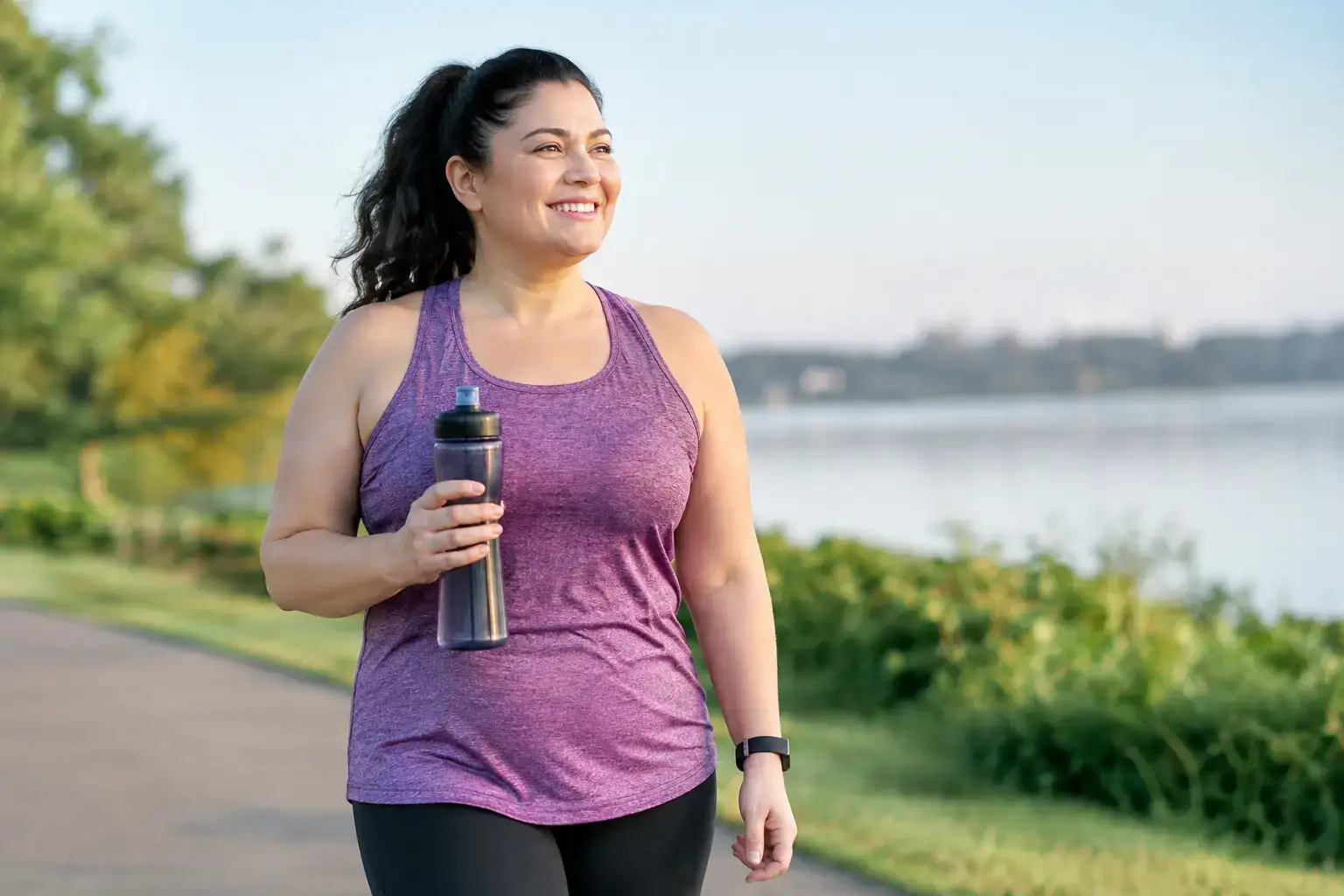

The first walk after surgery can feel surprisingly significant. You may be sore, tired and still adjusting to fluids, medications and a completely new routine, yet those first gentle steps are part of recovery. Resuming exercise after bariatric surgery is not about rushing back to the gym or chasing a calorie target. It is about protecting your healing body while gradually rebuilding the movement habits that support your results for years to come.
Your surgeon’s instructions must always set the pace. Recovery after a gastric sleeve, gastric bypass, mini gastric bypass or revisional procedure is individual, particularly if there were additional clinical considerations during surgery. Think of the timelines below as a safe framework to discuss with your surgical team, not a substitute for their advice.
Why movement matters after weight-loss surgery
Early movement helps circulation, supports lung function and reduces the risk of complications linked to prolonged inactivity. It can also ease stiffness after time in bed and help you regain confidence in what your body can do.
Over the months that follow, exercise becomes about much more than weight loss. Regular activity helps preserve lean muscle as your weight changes, supports bone health, improves mobility and can make everyday life feel easier. Walking upstairs, playing with children, travelling comfortably and sleeping better are meaningful wins, even when the scales do not move in a straight line.
There is a trade-off, however. Doing too much too soon can increase pain, pull on healing tissue or leave you exhausted when hydration and protein intake are still a challenge. The goal is steady progression, not an impressive first week.
Resuming exercise after bariatric surgery: a phased approach
The first days: short, frequent walks
In hospital, you will usually be encouraged to get up and walk with support as soon as your clinical team says it is safe. These walks may be only a few minutes at a time. That is enough. The purpose is gentle circulation and recovery, not fitness.
Once you are back at your hotel or home, continue with brief walks around your room, corridor or home several times a day. Wear supportive footwear, move at a comfortable pace and stop before you feel drained. If you have travelled to Antalya for surgery, your coordinator and hospital team can help ensure you understand the discharge guidance before you fly home, including when it is appropriate to walk during travel.
At this stage, avoid lifting, pushing, pulling and any movement that strains your abdomen. Even if you feel unexpectedly well, your internal healing is still underway.
Weeks two to four: build a walking routine
As discomfort settles and your surgeon approves it, increase the duration of your walks gradually. A useful starting point is adding a few minutes every few days rather than doubling your distance overnight. Flat, familiar routes are often more comfortable than hills or uneven ground.
Aim for consistency rather than a daily step-count competition. Some days will be easier than others, especially while you are progressing through food stages, managing constipation or adjusting to lower energy intake. A ten-minute walk that you can repeat tomorrow is more valuable than one long outing that leaves you unable to recover properly.
Gentle mobility work may also be suitable during this period. Shoulder rolls, ankle circles and easy stretches can relieve stiffness, provided they do not pull at incision sites. Follow your team’s advice on showering, wound care and swimming, as pools and baths are usually off limits until incisions have healed fully.
Weeks four to six: add low-impact cardio
Many patients can begin low-impact exercise after their post-operative review, provided healing is uncomplicated and their surgeon agrees. This may include longer walks, a stationary bike, gentle cross-trainer sessions or water-based exercise once wounds are completely closed and you have been cleared for it.
Keep intensity moderate. You should be able to speak in short sentences while exercising. If you are breathless enough that conversation feels difficult, slow down. Your cardiovascular fitness may improve quickly, but your nutritional intake and recovery still need respect.
This is also a sensible time to notice how exercise affects hydration. Sip fluids consistently before and after activity according to your post-operative plan. Avoid gulping large amounts at once, and do not let a workout replace the nutrition and hydration priorities set by your dietitian or surgeon.
After six to eight weeks: rebuild strength carefully
Strength training is one of the most valuable long-term additions after bariatric surgery. As body weight falls, some lean muscle loss is expected. Resistance exercise, alongside adequate protein, helps you maintain strength for daily life and supports a healthier body composition.
Your clearance date varies. Once approved, begin with bodyweight movements, resistance bands or light weights under the guidance of a qualified fitness professional who understands bariatric recovery. Focus on controlled technique, breathing steadily and working major muscle groups rather than lifting heavily.
Two or three sessions a week can be enough to start. Allow rest days between sessions and increase only one variable at a time: duration, resistance or repetitions. If you are new to exercise, supervised sessions can be worth the investment because they make movement feel less intimidating and help you avoid compensating with poor form.
Fuel, hydration and recovery are part of the plan
Exercise after bariatric surgery cannot be separated from nutrition. In the early months, your intake is limited by design, and meeting fluid and protein goals may take focused effort. Hard training while under-fuelled can lead to dizziness, fatigue, headaches or poor recovery.
Plan activity around your prescribed eating pattern rather than exercising on an empty stomach because you feel you should. Your dietitian may suggest a protein-focused option before or after exercise when you are able to tolerate it. Follow the portion sizes and food-stage guidance you have been given, as advice differs between procedures and individuals.
Sleep matters too. Rapid weight loss, changing hormones and a new routine can all affect rest. If you are consistently exhausted, do not assume you need more willpower. It may be a sign to reduce intensity and speak with your clinical team about hydration, nutrition, supplements or blood tests.
Warning signs that mean you should stop and seek advice
Mild muscle soreness after a new activity can be normal. Sharp abdominal pain, worsening incision pain or a feeling that something is not right should never be pushed through. Stop exercising and contact your surgeon or healthcare provider urgently if you experience chest pain, shortness of breath at rest, fainting, persistent dizziness, a racing heartbeat, calf pain or swelling, fever, wound redness or discharge, or repeated vomiting.
Less urgent concerns still deserve a conversation. Ongoing fatigue, pain with movement, difficulty meeting fluid targets or anxiety about returning to activity are common issues with practical solutions. Structured aftercare is valuable here: you should not have to guess whether a symptom is normal or whether you are progressing too slowly.
Make exercise fit your new life
The best exercise plan is one you can continue when motivation is low and life is busy. For some people, that is a morning walk with a partner. For others, it is swimming, dance, Pilates, cycling or a beginner strength class. There is no prize for choosing the hardest option.
Start with a small appointment in your diary and protect it. Keep a simple record of how you feel afterwards, not just what the scale says. You may notice better mood, less joint discomfort, more stamina or greater confidence before you notice a change in performance.
If you are travelling with a partner or family member, invite them into the routine. Shared walks can make recovery feel less clinical and more connected. Equally, give yourself permission to exercise alone if that is the time that helps you reset.
Your body has been through major surgery and major change. Treat movement as an act of care, not a punishment or a way to earn food. With clinical clearance, patience and a routine built around your real life, each walk, stretch and strength session can become evidence that you are moving forward.