
If you are searching for how to plan a bariatric surgery trip to Turkey, you are probably not looking for glossy promises. You want to know what happens, what to ask, what to book, and how to make a serious medical decision feel structured rather than overwhelming. That is exactly the right approach. Bariatric surgery abroad can be very well planned, but only when medical quality and travel logistics are treated as part of the same process.
How to plan bariatric surgery trip to Turkey without missing the basics
The biggest mistake patients make is planning the travel first and the care second. Cheap flights and a nice hotel mean very little if the clinical pathway is unclear. Start by confirming whether you are actually a suitable candidate for surgery, and for which procedure.
That usually means sharing your height, weight, BMI, medical history, previous abdominal surgery, current medications, and any conditions such as reflux, diabetes, sleep apnoea, or high blood pressure. A good coordinator or clinical team should ask detailed questions early. If the questions feel vague, the planning probably is too.
This stage is also where procedure choice matters. A gastric sleeve may suit one patient very well, while another may need a bypass because of reflux, prior weight regain, or metabolic concerns. Revisional surgery needs even more caution. The right plan is not the one with the fastest booking slot. It is the one that makes clinical sense for your body and your long-term goals.
Choose the provider as carefully as the procedure
Turkey has many bariatric providers, and that is both the benefit and the challenge. You are not simply choosing a surgeon. You are choosing a whole system around that surgeon – hospital standards, pre-op testing, anaesthetic review, translation support, transfer arrangements, ward care, and aftercare once you are back home.
Look for a provider that explains the full patient journey clearly. You should know where the surgery takes place, what tests are done on arrival, how many nights you stay in hospital, whether your companion can be accommodated, and who answers questions after you fly home. If you struggle to get clear answers before booking, support is unlikely to improve afterwards.
It is also reasonable to ask practical questions that anxious patients often feel shy about asking. Will the surgeon see you daily in hospital? Who translates if needed? What happens if a blood test or ECG raises a concern? Is there a named coordinator? Real reassurance usually comes from specific answers, not broad claims.
Get your timeline right
A well-planned bariatric trip should not feel rushed. Most patients do best when they give themselves enough time before travel to prepare mentally, complete paperwork, and follow any pre-op diet properly.
In many cases, you will be asked to begin a liver-shrinking diet before surgery. This is not a small detail. It can make the operation safer and technically easier for the surgeon. The exact length depends on your BMI, liver size, and procedure, but you should know the plan in advance and follow it carefully.
You also need to think beyond the day of surgery. Ask how long you are expected to remain in Turkey before you are fit to fly. This varies by procedure and by the surgeon’s protocol, but it should never be guessed at. Build in enough time for admission, testing, surgery, inpatient monitoring, discharge, and a short recovery window before your return journey.
For UK and Irish patients, this often means planning time off work not only for travel but for the early recovery period at home. Even if you feel better quickly, fatigue, fluid goals, and dietary stages still need attention.
Prepare your documents, medical details and realistic budget
The simplest trips are the ones prepared properly on paper. Make sure your passport is valid for the required period, your flight details match your admission plan, and any necessary travel permissions are sorted early. Keep copies of prescriptions, medical letters, allergy information, and contact details for your GP.
Budgeting also needs honesty. The surgery package may cover more than the operation itself, but you should confirm exactly what is included. Airport transfers, hotel stays, hospital nights, pre-op tests, medications, compression stockings, translation support, and companion costs should all be clear. It is better to ask awkward questions before booking than be surprised later.
You should also account for small but useful extras such as bottled water, loose clothing, slip-on shoes, lip balm, and any approved post-op supplements you may need when home. The cheapest quote is not always the cheapest trip once missing pieces are added.
What to expect when you arrive in Turkey
Good planning becomes very visible the moment you land. For many patients, the most stressful part is not the operation itself but the fear of arriving in an unfamiliar country and not knowing what happens next. That is why coordinator-led support matters.
A structured arrival usually includes airport pickup, hotel check-in or direct hospital admission, then pre-op assessments such as bloodwork, ECG, imaging, and consultations with the surgeon and anaesthetist. This is where the team confirms that surgery can proceed safely. If something needs further review, a responsible provider will say so.
This part of the trip should feel organised, not hurried. You should know when you are fasting, when your tests are booked, and when your operation is scheduled. If you are travelling with a partner or family member, they should understand the plan too. Clear communication lowers fear for everyone involved.
Pack for recovery, not for a holiday
Patients often overpack and bring the wrong things. Comfort matters more than quantity. Loose clothes, supportive underwear, easy shoes, toiletries, a phone charger, and any regular medications are usually far more useful than trying to prepare for every possible scenario.
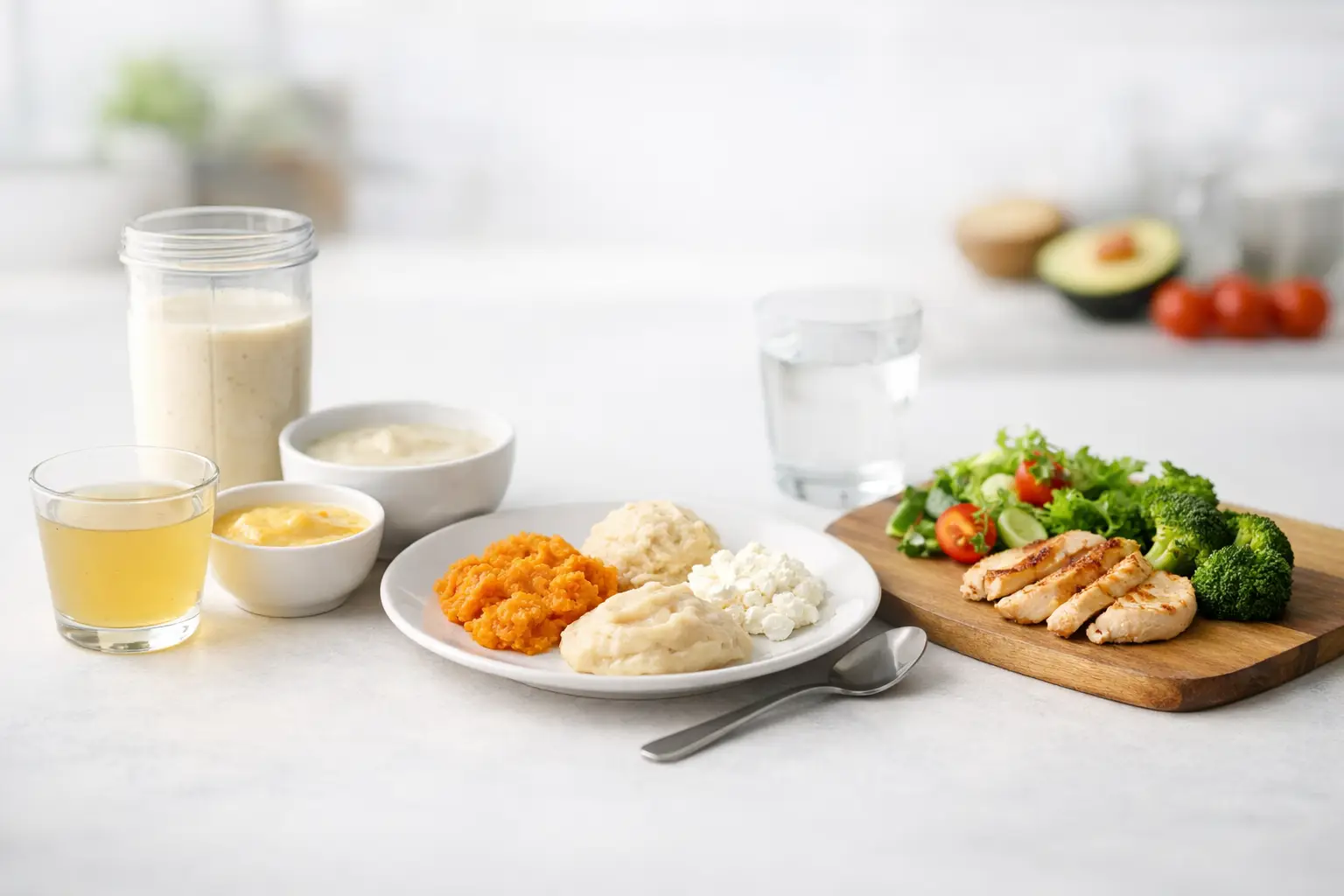
You may also want a small pillow for the journey home, especially to cushion your abdomen during the flight or car transfer. Avoid packing heavy meals, fizzy drinks, or unrealistic expectations about eating out. Early recovery is about hydration, walking, rest, and following the staged diet your team gives you.
If your companion is travelling with you, pack with them in mind as well. They are often the quiet support behind the scenes, and they will cope better if they know what the hospital stay and hotel recovery days are likely to involve.
Plan for the flight home before you even leave
One of the most overlooked parts of how to plan bariatric surgery trip to Turkey is the return. Patients understandably focus on getting to surgery, but the journey home deserves just as much thought.
Book flights that are manageable rather than excessively tight. Allow time at the airport, avoid unnecessary complications, and wear comfortable clothing. Follow the team’s advice about walking, hydration, and any anti-clotting precautions. Ask when you can shower, lift luggage, and resume normal daily activities.
It also helps to set up your home for the first week back. Have suitable fluids, approved foods for your post-op stage, pain relief if advised, and a calm place to rest. If possible, sort household tasks before you travel. Recovery feels easier when home is ready for you.
Aftercare is where good planning proves itself
The operation is one day. The outcome depends on what happens over months. That is why aftercare should be part of your decision from the start, not an afterthought.
Before you book, ask how follow-up works once you return to the UK or Ireland. Will someone check in on your fluid intake, wound healing, mobility, and diet progression? Can you message a coordinator with concerns? What guidance will you receive about vitamins, blood tests, and weight-loss milestones?
A strong aftercare pathway also helps with the emotional side of bariatric surgery. Many patients feel relieved after surgery, but also tired, uncertain, or unexpectedly emotional as routines change. Ongoing support makes a real difference here. You should not feel alone once the flight home is over.
This is where a service such as Bridge Health Travel can add real value for patients who want both hospital-grade care and hands-on coordination, because medical travel is easier when one team manages the practical details as carefully as the clinical ones.
A final word on safety and expectations
Bariatric surgery in Turkey can be affordable, efficient, and very well organised, but it should never be treated like a quick cosmetic break. It is major surgery with real benefits, real commitments, and real recovery needs.
The best plan is not the flashiest one. It is the one that gives you confidence in the surgeon, clarity about the hospital process, enough time to recover properly, and reliable support when you are back in your own home. If a provider helps you feel informed rather than pressured, that is usually a very good sign.
When the planning is done well, the trip stops feeling like a leap into the unknown and starts feeling like what it should be – a carefully supported step towards better health.