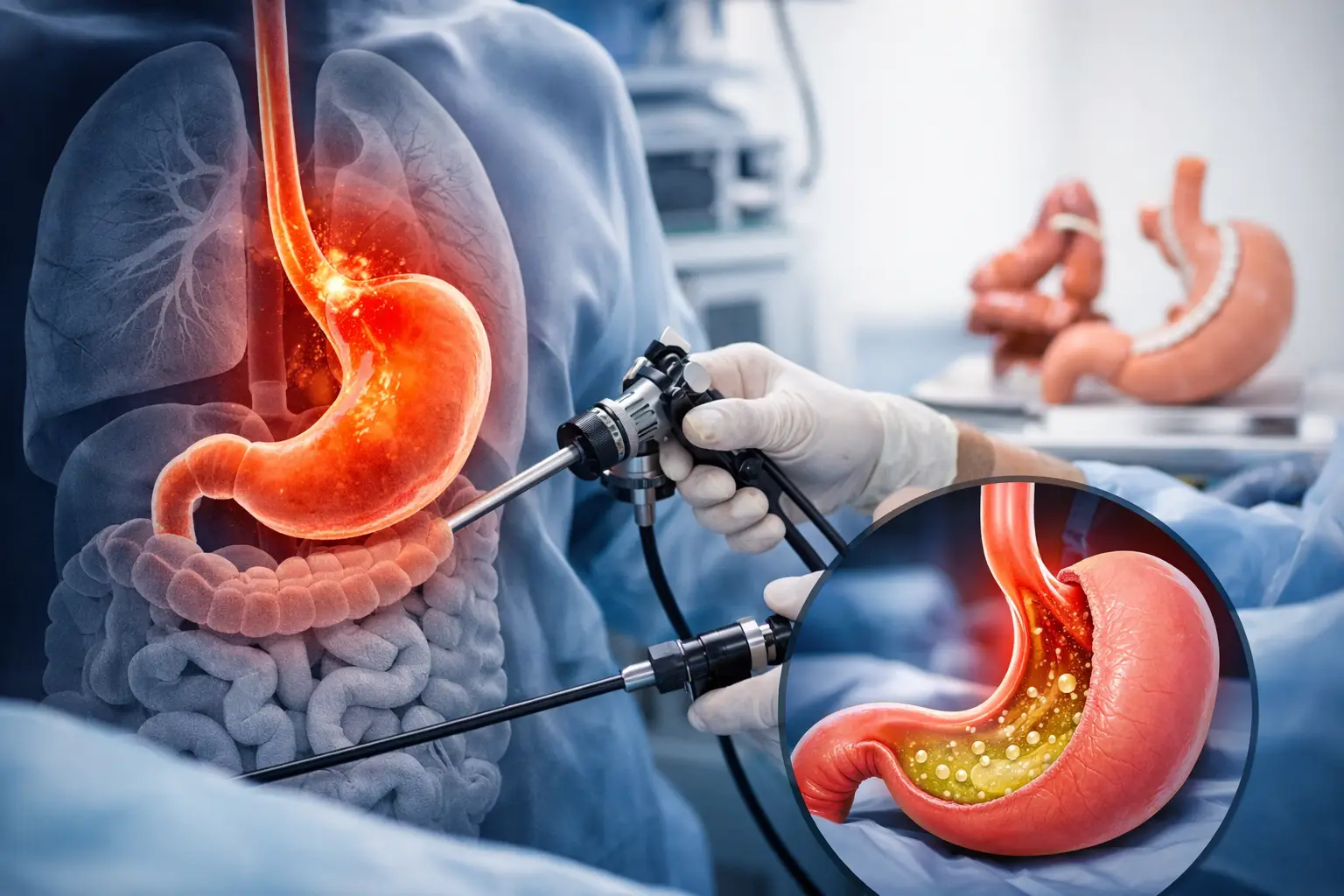

For many people in Ireland, the hardest part is not deciding they want weight-loss surgery. It is working out who to trust, how travel will work, and whether going abroad will feel safe when the decision already feels so personal. That is why so many searches by Irish patients for bariatric surgery in Turkey are really about reassurance as much as price.
Turkey has become a serious option for bariatric treatment, not because patients want shortcuts, but because they want timely access, clear costs, and a structured pathway. For Irish patients who have spent years managing weight-related health issues, long waiting times or high private fees at home can make treatment feel out of reach. Travelling for surgery can change that, but only when the process is clinically sound and properly coordinated.
Why Irish patients choose bariatric surgery in Turkey
The appeal is rarely just one thing. Cost matters, of course, but so does access. Many patients from Ireland are looking at gastric sleeve or gastric bypass because they are dealing with more than appearance. They may be living with joint pain, low energy, sleep apnoea, insulin resistance, or the constant frustration of losing and regaining weight.
Turkey is attractive because treatment can often be arranged faster, with an all-in package that is easier to understand from the outset. Instead of paying separately for hospital fees, surgeon costs, tests, accommodation, and local transport, patients often prefer a managed plan. That removes a layer of stress at a point when stress is already high.
There is also a practical benefit to having one coordinator managing the journey. When a patient is trying to compare procedure types, gather medical information, book flights, and prepare for surgery, a responsive contact person makes a real difference. It turns a confusing process into one that feels contained.
Irish patients seeking bariatric surgery in Turkey – what are they actually looking for?
Most Irish patients are not simply searching for the cheapest operation abroad. They are trying to answer a more sensible question: can I receive safe, appropriate treatment with proper support before and after surgery?
That means looking at surgeon experience, hospital standards, pre-operative checks, infection control, anaesthetic assessment, and aftercare. It also means understanding whether the procedure itself is right for them. A gastric sleeve may suit one patient well, while another may be better served by a mini gastric bypass, gastric bypass, balloon placement, or revisional surgery. Good care starts with suitability, not sales.
Patients also want to know how they will be treated once they land. Will there be airport transfer? Will anyone speak English clearly? Will someone explain blood tests, ECG, imaging, and admission timings? Will a companion know what is happening? These may sound like small details until you are the person stepping off the plane before surgery.
Safety matters more than savings
This is the part that should never be rushed. Bariatric surgery is major treatment, even when it is performed routinely by experienced teams. Any honest conversation has to acknowledge that all procedures carry risk, and that a lower price should never be the main reason to proceed.
A safer pathway depends on several factors working together. The hospital setting matters. The surgeon’s experience in bariatric procedures matters. Pre-op screening matters. So does what happens after the operation, including mobilisation, leak monitoring, pain control, hydration support, and clear discharge instructions.
For patients travelling from Ireland, there is an added layer to consider: continuity. You are not just choosing a surgeon for one day. You are choosing a process that should still support you once you are back home. That is where a coordinated model is often more reassuring than trying to arrange surgery, hotel, transfers, and follow-up on your own.
At Bridge Health Travel, that support is built around the patient journey rather than the transaction. The difference is simple. Patients are not left to piece together the clinical and travel side themselves, and families are not left guessing what happens next.
Which procedure may suit you?
The right operation depends on your medical history, BMI, eating patterns, previous surgery, and long-term goals. There is no one-size-fits-all answer, and any provider who suggests otherwise is oversimplifying a decision that deserves care.
Gastric sleeve surgery is often chosen by patients who want a restrictive procedure with strong weight-loss results and a straightforward treatment pathway. Gastric bypass and mini gastric bypass may be considered when reflux, diabetes, or revision needs are part of the picture, though they come with different nutritional considerations. Gastric balloon treatment can suit some patients who are not ready for surgery or who need a less invasive option, but the results and long-term expectations differ significantly.
Revisional bariatric surgery requires even more caution. Patients seeking revision are often dealing with a difficult history, disappointing outcomes, or physical symptoms after a prior operation. In these cases, detailed assessment is particularly important.
What the travel process usually looks like
One of the biggest worries for Irish patients is whether the trip itself will feel chaotic. It should not. A well-run medical travel pathway is designed to reduce uncertainty, not add to it.
Typically, the process starts with a remote assessment. You share your medical background, current weight, medication details, and any previous operations. From there, a suitable treatment plan can be discussed, along with expected preparation before flying.
Once dates are arranged, the practical side should become easier, not more complicated. That usually includes airport pickup, hotel accommodation where needed, admission scheduling, and pre-op testing after arrival. Those tests commonly include bloodwork, ECG, imaging, and anaesthetic review. Only after that is completed should surgery proceed.
After the operation, patients usually spend time in hospital under observation before moving into the early recovery period. Daily reviews from the clinical team, hydration guidance, walking support, and diet-stage education all matter here. Good recovery is not just about the operation itself. It is about what the team notices and manages in the first few days.
Aftercare is where confidence is earned
A lot of providers talk well before surgery. Fewer remain attentive once the patient flies home. For bariatric patients, that follow-up period is where many of the most important questions appear.
How much fluid should you be managing? Is this pain normal? When should you move from liquids to purée? What happens if you are struggling with protein intake, constipation, tiredness, or emotion around the lifestyle change? These are not minor concerns. They affect recovery and long-term success.
Irish patients should look for a team that offers structured post-op check-ins and practical communication after discharge. Weight-loss surgery is a tool, not a finish line. The best results come when patients feel supported as they adapt to new eating habits, portion sizes, supplements, and realistic activity goals.
This is also where travelling with a companion can be helpful. A partner or family member often feels calmer when they understand the process and know who to contact. Their reassurance matters too.
Questions Irish patients should ask before booking
Before choosing any provider in Turkey, ask clear and direct questions. Who performs the surgery, and how often? Where will the operation take place? What pre-op tests are included? What happens if a patient is found unsuitable after assessment? What aftercare is provided once the patient returns to Ireland?
Ask about practical details as well. Will someone meet you at the airport? Is translation support available throughout admission? Are hotel and hospital transfers included? Will your companion be accommodated? Vague answers are a warning sign. Good providers are usually transparent because they run the same pathway every day.
It is also reasonable to ask about revision policies, emergency planning, and how concerns are handled outside office hours. When people describe feeling looked after, it is often because someone actually answered when they were worried.
The real trade-off
For Irish patients, bariatric surgery in Turkey can be an excellent option, but it is not the right choice for everyone. Some patients prefer to stay close to home, even if it means higher costs or longer waits. Others are comfortable travelling, provided the pathway is well organised and the clinical standards are clear.
That is the real balance to weigh up. You are trading proximity for faster access and often better affordability. Whether that feels worthwhile depends on the quality of support around the surgery. If the journey is structured properly, many patients find that the experience is far less daunting than they expected.
If you are at the stage of asking serious questions, that usually means you are ready for facts, not pressure. Take your time, ask everything you need to ask, and choose the team that makes you feel informed as well as cared for. Good bariatric care should leave you feeling supported before the flight, during the hospital stay, and long after you are back home.