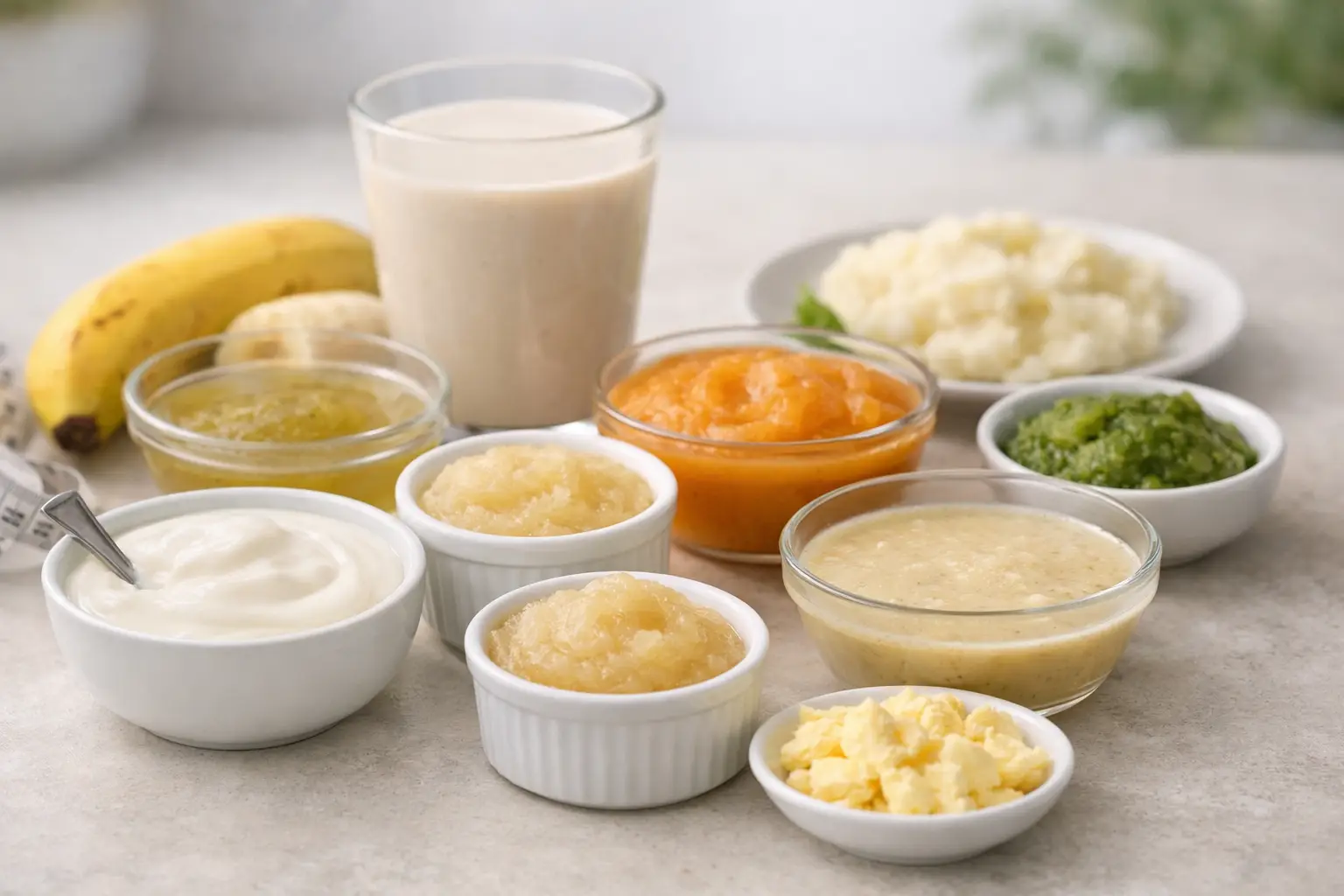

The first week after surgery is often the moment patients realise that recovery is not about willpower – it is about following the right plan, one careful sip at a time. When people ask about the best foods after bariatric surgery week one, what they usually need is not a long shopping list. They need clarity on what their stomach can tolerate, what supports healing, and what helps them avoid pain, nausea, dehydration, and unnecessary worry.
In week one, your stomach is swollen, tender, and adjusting to a completely new way of working. That means the “best foods” are usually not foods in the usual sense at all. For most patients, this stage focuses on clear liquids first, then fuller liquids if your surgeon and dietitian allow them. Exact instructions vary by procedure and by surgeon, so your own post-operative plan always comes first.
What your stomach needs in week one
Straight after a gastric sleeve or gastric bypass, the priority is healing rather than feeling full or satisfied in the way you did before. Your new stomach needs gentle intake, very small volumes, and plenty of time. Trying to move too quickly can leave you uncomfortable and, in some cases, can lead to vomiting or strain on the surgical area.
That is why the best foods after bariatric surgery week one are those that do three jobs well. They keep you hydrated, they are easy to tolerate, and they begin to support protein intake when your team says you are ready. If something is technically allowed but causes cramping, reflux, or nausea, it may not be the best choice for you personally.
Best foods after bariatric surgery week one
For most patients, the safest options in the first week are thin, smooth liquids with no bits, no added sugar overload, and no carbonation. Water remains essential, but it is not the only thing you may be advised to have.
Water and sugar-free fluids
Plain water is the foundation of recovery, but it can feel surprisingly difficult to drink at first. Many patients find that room-temperature water sits better than very cold water. Others tolerate chilled fluids more easily. It depends on your stomach and how sensitive it feels.
Sugar-free squash, weak herbal tea, and electrolyte drinks recommended by your team can help you keep fluid intake up. Sip slowly. Do not gulp. A tiny amount every few minutes is usually far more manageable than trying to drink a whole glass.
Clear broth
A light chicken, beef, or vegetable broth is often one of the easiest options in the early days. It gives you warmth, a bit of savoury flavour, and can feel more comforting than sweet drinks. The key is that it must be smooth, strained, and low in fat.
Rich soups, creamy blends, or anything with small pieces are usually too much too soon unless your plan specifically allows them. In week one, simple is better.
Protein water or clear protein drinks
Once approved by your clinical team, clear protein drinks can be very helpful. Protein matters because your body is healing, and meeting protein goals becomes an important part of protecting muscle mass as you lose weight. The challenge is that many traditional shakes feel too thick in the first week.
Clear protein water is often easier to manage than milky shakes during this phase. It still needs to be sipped slowly, and not every product suits every patient. If a drink tastes overly sweet or leaves you feeling sickly, try another approved option rather than forcing it.
Thin yoghurt drinks or skimmed milk-based liquids
Some post-op plans allow thin, high-protein yoghurt drinks or skimmed milk later in the first week. These can offer a gentler bridge between clear liquids and thicker stages. The texture matters. If it is lumpy, heavy, or overly creamy, it may feel uncomfortable.
Lactose can also be an issue for some patients after surgery, even if they were fine with dairy before. If milk-based liquids leave you bloated or unsettled, tell your team. There are usually alternatives.
Smooth, strained soups
If your surgeon progresses you to full liquids within week one, a very smooth strained soup may be appropriate. Think thin tomato soup, light vegetable soup with all solids removed, or blended soup that has been strained again for safety. It should not contain skins, seeds, rice, pasta, or chunks.
Soup can be a welcome change because it feels closer to a meal, but portion size still matters. A few spoonfuls may be enough at first.
What to avoid in the first week
Patients are often more comfortable when they know not just what to have, but what to leave alone. In week one, avoid fizzy drinks, caffeine if your team has restricted it, alcohol, sugary drinks, and anything with bits or pulp. Fruit juice is often too sugary and can irritate your stomach. Thick smoothies may sound healthy, but they are usually too heavy this early.
You should also avoid drinking quickly or drinking with the mindset of “catching up”. That usually backfires. Your new stomach will tell you very quickly when it has had enough, and the feeling can be unpleasant.
How to eat and drink safely in week one
This part matters just as much as the liquids themselves. Even the best foods after bariatric surgery week one can cause problems if you take them too fast.
Small sips, pauses between sips, and steady pacing across the day are usually the safest approach. Many patients do well using a timer or keeping a bottle nearby so they can sip regularly without overdoing it. If your team has given you fluid and protein goals, treat them as your daily structure rather than a rough suggestion.
Temperature can make a difference too. Some patients tolerate warm fluids better because they feel soothing. Others prefer cool drinks. There is no prize for choosing the “right” temperature – the best option is the one you can keep down comfortably.
If you feel hungry, weak, or worried
Feeling hungry in the first week does not always mean you need thicker food. Sometimes it is thirst, habit, or simply the strange adjustment to not chewing. It is also common to feel emotional about food at this stage. That does not mean anything is going wrong.
Weakness is more concerning if it comes with poor fluid intake, dizziness, or difficulty managing even tiny sips. Dehydration is one of the main reasons patients struggle in the first week. Dark urine, a dry mouth, headaches, and tiredness can all be warning signs.
This is where good aftercare makes a real difference. Patients travelling for surgery often worry about what happens once they leave hospital, but structured support and clear communication can take much of that fear away. At Bridge Health Travel, for example, patients are guided through these early recovery stages so they are not left second-guessing every symptom or sip.
When your plan may differ
Not every patient follows exactly the same timeline. A gastric sleeve patient may receive one set of instructions, while a bypass patient receives another. Some surgeons move patients from clear liquids to full liquids within days. Others want a longer clear-liquid phase. Revisional surgery may come with stricter guidance.
That is why comparing your intake with someone else’s online can be unhelpful. The best foods after bariatric surgery week one for one patient may be too much for another. Your own operation, your surgeon’s technique, and your body’s response all matter.
Gentle signs you are tolerating things well
Recovery in week one is rarely dramatic. Usually, the good signs are small. You can manage regular sips without pain. Nausea settles rather than builds. You are passing urine normally. Your energy slowly improves. A fluid that felt difficult yesterday may feel fine today.
Progress can be uneven. One day you may feel capable and the next day more tender or tired. That is common. The goal is not perfection. It is safe, steady healing.
When to contact your clinical team
Some discomfort is expected, but persistent vomiting, severe abdominal pain, chest pain, fever, shortness of breath, or signs of dehydration should never be brushed off. If you cannot keep fluids down, that needs prompt advice. Early reassurance is helpful, but early intervention is even more important when something is not right.
The first week asks for patience. Your meals are temporary, your portions are tiny, and your routine feels unfamiliar. Still, this stage passes quickly, and the care you take now gives your body the best chance to heal well and move confidently into the next phase.