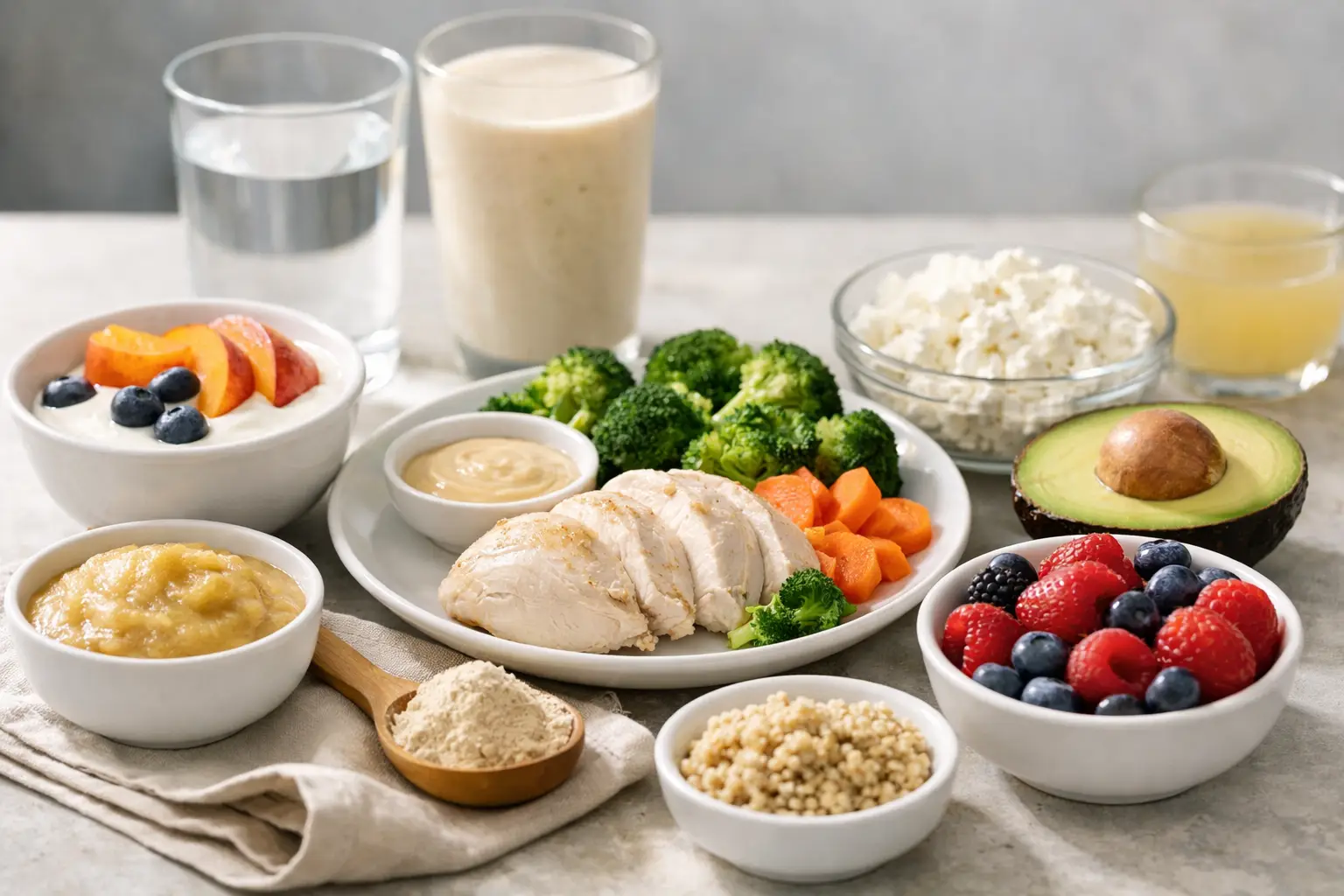

Your first meals after bariatric surgery are not about finding a perfect diet or eating as little as possible. They are about protecting your healing stomach, staying hydrated and building habits that support lasting weight loss. The best foods after bariatric surgery will change as you recover, but the priorities stay consistent: protein first, fluids throughout the day and nutrient-dense choices in small portions.
Whether you have had a gastric sleeve, gastric bypass, mini gastric bypass or revisional procedure, your surgeon’s post-operative plan must lead the way. Recovery timelines vary between procedures and between patients. If a food causes pain, repeated vomiting, reflux or a feeling that it is stuck, stop eating it and contact your clinical team for advice.
Why food choices matter so much after surgery
Bariatric surgery changes the amount you can eat and, in some procedures, how your body absorbs nutrients. In the first weeks, the stomach and surgical join need time to heal. Later, the smaller capacity means every bite has a job to do.
A few bites of chicken, yoghurt or eggs can provide useful protein. The same amount of crisps, cake or fizzy drink can crowd out nourishment while offering very little your body needs. This is not about perfection or restriction for its own sake. It is about giving yourself the best possible foundation for healing, energy, muscle preservation and sustainable results.
For patients travelling home after surgery, clear food guidance is especially reassuring. You should leave with a staged diet plan, supplement instructions and a way to reach your care team if you are unsure. At Bridge Health Travel, ongoing check-ins are designed to make that transition from hospital recovery to home routines feel more supported.
Best foods after bariatric surgery by recovery stage
Your hospital team will tell you when to move from one stage to the next. Do not progress simply because you feel hungry or because someone else online moved faster. Tolerance is individual, and moving too quickly can lead to discomfort, nausea or vomiting.
Stage one: clear fluids
Immediately after surgery, the focus is hydration. You may be asked to take tiny, regular sips of water, sugar-free squash, clear broth or other approved clear fluids. Some programmes also allow a clear protein drink at this point.
Sip slowly rather than taking large gulps. Keep a drink close by and work towards the fluid target given by your team. Dehydration is one of the most common reasons people feel weak, dizzy or unwell after bariatric surgery, so fluids are a clinical priority, not an afterthought.
Avoid fizzy drinks, alcohol, sugary drinks and drinking through straws unless your surgeon specifically says otherwise. Carbonation can be uncomfortable, while high-sugar drinks may trigger dumping syndrome after bypass surgery. Dumping can cause sweating, cramps, diarrhoea, dizziness or a racing heartbeat.
Stage two: full fluids and smooth protein
When your team approves full fluids, protein becomes more prominent. Smooth, low-sugar protein shakes are often the easiest way to meet early targets. Thin, blended soups, skimmed milk, smooth yoghurt and milk-based drinks may also be suitable if they fit your plan.
Choose products with a good protein content and low added sugar. Read labels carefully. Some drinks marketed as healthy are high in sugar and surprisingly low in protein.
If dairy does not agree with you, your team may suggest lactose-free options or an alternative protein supplement. Do not assume that a plant-based drink contains enough protein just because it looks similar to milk. Protein amounts vary considerably between products.
Stage three: puréed and soft foods
This stage introduces foods that are smooth, moist and free from lumps. Think of blended lean meat or fish with stock, puréed beans or lentils, scrambled eggs, cottage cheese, Greek yoghurt, mashed tuna with low-fat yoghurt, and very smooth vegetable soups with protein added.
Protein should remain the centre of each small meal. Eggs are a useful option for many patients because they are soft, affordable and versatile, though some people find them hard to tolerate early on. If that happens, leave them for a few weeks and try again later rather than forcing them.
Soft vegetables and fruit may be introduced according to your plan, but protein still comes first. A few spoonfuls can feel enough at this stage. Eat slowly, use very small bites and stop at the first sign of fullness, pressure or discomfort.
Stage four: regular textured meals
As healing progresses, most patients can gradually move towards a balanced pattern built around lean protein, vegetables, fruit, high-fibre carbohydrates and healthy fats. The best long-term foods are usually simple, minimally processed foods that are easy to portion and make you feel well.
Good protein choices include tender chicken or turkey, flaky fish, prawns, lean minced meat, eggs, reduced-fat cheese, Greek yoghurt, cottage cheese, tofu, beans and lentils. Moist cooking methods help: slow-cooked casseroles, baked fish, stews and sauces are often easier to tolerate than dry grilled meat.
Vegetables provide fibre, vitamins and variety, but raw salads and fibrous vegetables can be difficult at first. Cook them until soft and reintroduce them gradually. Fruit is nutritious, though portions need to remain modest and whole fruit is usually a better choice than juice.
When you are ready for carbohydrates, choose high-fibre options such as oats, beans, lentils, wholegrain crackers, brown rice or a small amount of potato. Not every patient tolerates bread, rice or pasta well after surgery, particularly in the early months. There is no prize for eating foods that make you uncomfortable.
The habits that make healthy food work
The food itself matters, but the way you eat matters too. Small meals should be unhurried. Chew thoroughly until food is almost a paste before swallowing, particularly meat and vegetables. Eating quickly can cause pain, vomiting or an uncomfortable pressure in the chest.
Most bariatric plans also ask you to separate food and drinks. A common rule is to stop drinking shortly before meals and wait around 30 minutes afterwards, but follow the timing set by your surgeon. Drinking with meals can fill the pouch or sleeve too quickly and may make it harder to meet protein goals.
Plan for protein rather than hoping it happens. Keep suitable options at home for busy days: protein yoghurt, cooked chicken, boiled eggs, tuna, cottage cheese or a clinician-approved shake. When appetite is low, starting with protein gives you the greatest nutritional return from a small portion.
Vitamins and supplements are part of the diet
Even an excellent food plan may not provide enough nutrients after bariatric surgery. Your clinical team will prescribe supplements according to your procedure and blood results. Gastric bypass and other malabsorptive operations commonly require particularly close long-term monitoring.
Many patients are advised to take a combination of the following:
- A complete bariatric multivitamin and mineral supplement
- Calcium, usually taken separately from iron
- Vitamin D, based on clinical guidance and blood tests
- Iron, vitamin B12 or folate where prescribed
Do not replace prescribed bariatric supplements with generic high-street products without checking first. Formulations and doses differ, and some tablets may not be suitable during early recovery. Regular blood tests are how your team identifies deficiencies before they become a more serious problem.
Foods and drinks to approach carefully
There is no universal forbidden-food list for life, but some choices consistently make recovery and weight management harder. Sugary foods and drinks can trigger dumping, increase cravings and add calories without filling you up. Alcohol should be avoided during recovery and approached with caution later, as it can be absorbed more quickly after surgery.
Fried foods, pastries, sweets and highly processed snacks are often easy to eat but difficult to stop eating. Dry meats, doughy bread, tough vegetable skins, nuts and popcorn may also be physically hard to tolerate at first. Reintroduce challenging foods one at a time, in a very small amount, and pay attention to how your body responds.
It is also wise to be careful with caffeine in the early period if your surgeon advises it. Coffee and tea may irritate the stomach for some people, and caffeinated drinks do not replace water as your main source of hydration.
When to ask for help
Contact your surgeon or bariatric team promptly if you cannot keep fluids down, have persistent vomiting, worsening abdominal pain, fever, signs of dehydration or black stools. Ongoing reflux, difficulty swallowing, exhaustion or hair thinning also deserve discussion, as they may point to a food-tolerance issue or a nutritional deficiency.
Long-term success is not built on a flawless menu. It comes from returning to the basics when life gets busy: sip your fluids, prioritise protein, take your supplements and ask for support before a small concern becomes a setback. Each well-tolerated meal is a practical step towards feeling stronger, healthier and more at home in your new routine.