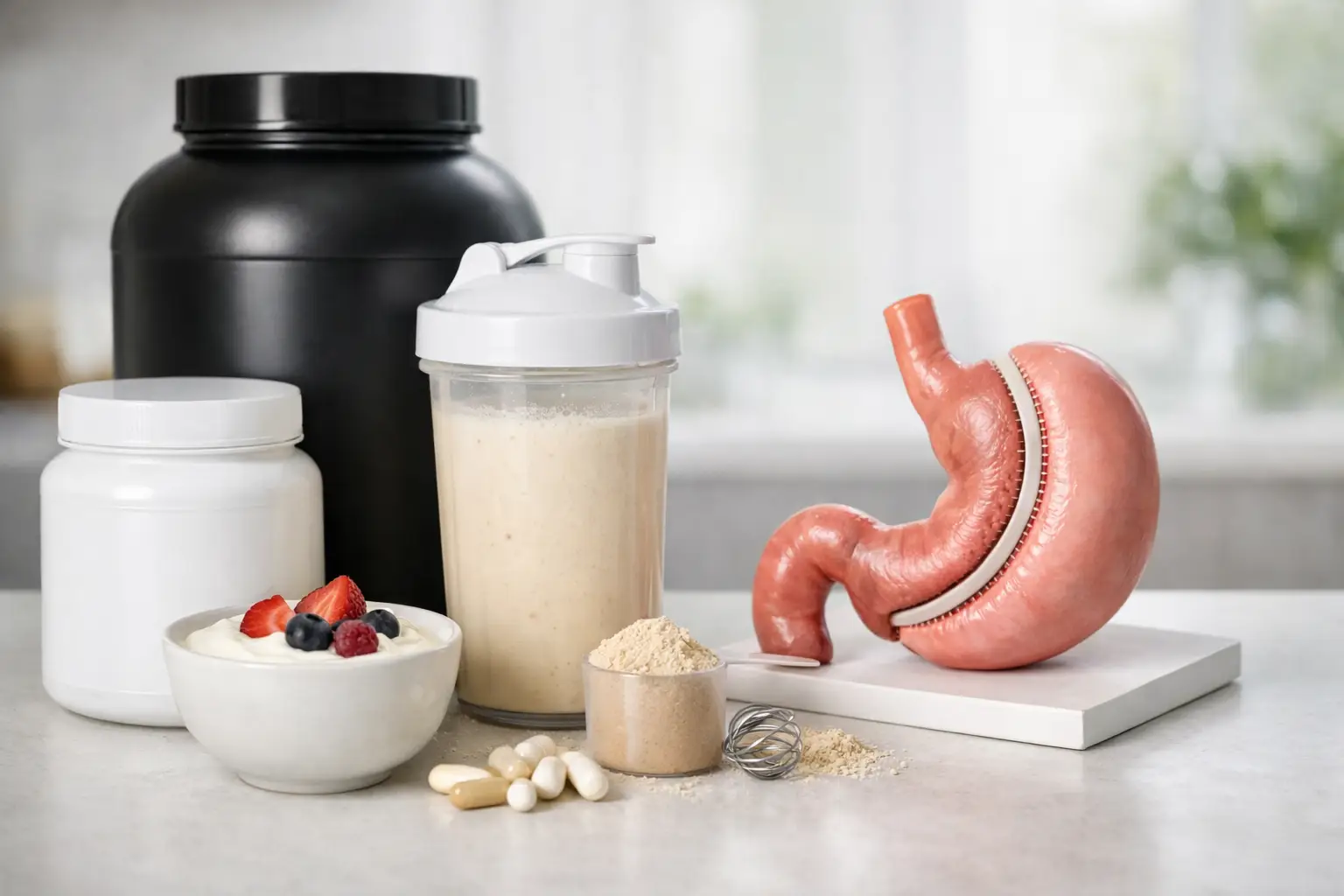

The first few weeks after surgery can feel surprisingly technical. You are sipping slowly, tracking fluids, learning your new fullness cues, and trying to hit protein targets with a stomach that now has very little room to work with. That is why choosing the best protein supplements after gastric sleeve surgery is not just about taste. It is about tolerance, healing, and making daily nutrition feel manageable rather than stressful.
Protein matters early because your body is recovering from surgery while also adjusting to rapid changes in intake. It helps support wound healing, preserve muscle mass during fast weight loss, and makes it easier to stay stronger as your portions remain small. Most patients simply cannot meet their targets through food alone in the beginning, so a supplement becomes part of the clinical plan, not an optional extra.
What makes the best protein supplements after gastric sleeve surgery?
The right supplement after a sleeve is usually the one you can tolerate consistently. That sounds simple, but it matters more than brand names or flashy packaging. A powder or ready-to-drink shake may look ideal on paper, but if it feels too thick, too sweet, or leaves you nauseous, it is not the right fit for your stage of recovery.
In general, bariatric patients do best with a supplement that gives a high amount of protein in a small serving, with low sugar and a texture that is easy to sip. Whey protein isolate is often the first choice because it is absorbed well, usually contains less fat and lactose than standard whey concentrate, and can be gentler for many patients. Clear whey can also work well, especially if milky shakes suddenly feel heavy or unappealing.
Some patients prefer plant-based options, and these can absolutely have a place. The trade-off is that not all plant proteins are equal. Pea, soya, or blended plant formulas may be suitable, but they often have a grainier texture and sometimes a lower leucine content, which is one reason whey is often preferred for muscle preservation. If dairy does not agree with you, though, a well-formulated plant protein is still far better than skipping supplements altogether.
Best protein supplement types for each recovery stage
In the earliest post-operative phase, your clinical team will usually guide you towards clear liquids or very smooth fluids. At that point, the best protein supplements after gastric sleeve surgery are often clear protein waters, unflavoured protein mixed into approved liquids, or very thin ready-to-drink options. Heavy shakes can be difficult too soon, even if they are technically high in protein.
As you move into the purée and soft-food stages, standard protein shakes often become easier. Ready-to-drink bottles are convenient because they remove measuring and mixing, which can be helpful when energy is low. Powders can be more economical and give you more control over flavour and thickness, but they need to be mixed carefully. Lumps or foam can make them harder to tolerate.
Later on, once regular textured foods are back in your plan, supplements remain useful when your intake falls short. This is common, especially at breakfast, after exercise, or on busy workdays. At that stage, a supplement should support your diet, not replace real food completely. Lean yoghurt, eggs, soft fish, chicken, and dairy foods still matter as your long-term foundation.
Ingredients worth looking for and what to avoid
Start with the protein content per serving. Many bariatric teams suggest choosing a product that delivers around 20 to 30 grams of protein per portion, without a lot of added sugar. Some products marketed as wellness shakes look healthy but contain very little protein and far too many calories from sweeteners, syrups, or added fats.
It is also wise to check the ingredient list for sugar alcohols such as sorbitol, maltitol, or xylitol if you know your stomach is sensitive. These can cause bloating, cramping, or diarrhoea in some patients. Artificial sweeteners are more individual. Some people tolerate them perfectly well, while others develop a strong aversion after surgery. If a shake tastes unbearably sweet, trust that response. There is no prize for forcing down a product you dread.
Unflavoured protein can be useful because it mixes into soups, yoghurt, or milk without creating dessert-level sweetness. This is especially helpful for patients who quickly become tired of vanilla and chocolate. Collagen powders are common, but they should not usually be your main protein source. They can support overall intake, but they are not a complete protein in the same way whey, soya, or blended plant formulas are.
Ready-to-drink versus powder
There is no universal winner here. Ready-to-drink shakes are practical, especially in the first weeks when convenience matters and appetite is unpredictable. They are easy to pack, easy to portion, and consistent in texture. For patients recovering at home or travelling back after surgery, that simplicity can remove a lot of stress.
Powders have their own advantages. They are often cheaper per serving and easier to tailor. You can mix half portions, change the thickness, or blend them into foods once your diet progresses. The downside is that not every powder mixes smoothly, and some become frothy, which many sleeve patients dislike.
A lot of patients do best with both. Keep a few ready-to-drink options for difficult days and use powders when you want flexibility.
Common tolerance issues after gastric sleeve
Taste changes are extremely common after bariatric surgery. A flavour you loved before surgery may suddenly taste metallic, sickly, or far too rich. This is one reason we encourage patients not to buy a huge stock of one product in advance. Start small, test a few formats, and expect your preferences to shift.
Temperature can make a difference as well. Some patients manage cold clear protein drinks far better than room-temperature shakes. Others find that icy drinks feel uncomfortable and prefer cool rather than chilled. Thickness matters too. If a shake feels as though it is sitting heavily in your pouch, thinning it with more liquid may help.
If you feel pain, repeated vomiting, ongoing diarrhoea, or strong nausea with protein supplements, the answer is not to keep trying random products without guidance. Speak to your bariatric team. Sometimes the issue is the formula, but sometimes it is the speed of drinking, dehydration, lactose intolerance, or advancing textures too quickly.
How much protein do you actually need?
Targets vary slightly by patient, procedure, and clinical history, but many gastric sleeve patients are advised to aim for roughly 60 to 80 grams of protein a day, sometimes more. In the early weeks, that can feel like a lot. Supplements help bridge the gap while your stomach capacity is still very limited.
The easiest approach is to spread protein across the day rather than trying to catch up at night. Small, steady intake usually works better than forcing a full shake in one sitting. Sip slowly, follow your clinic’s timing guidance, and do not eat and drink together if you have been told to separate them.
This is where structured aftercare matters. Patients often assume that once they are home, they should somehow know what to do by instinct. In reality, protein intake after bariatric surgery is a learned routine. Good support helps you adjust when a product stops suiting you or your intake drops for a few days.
The best protein supplements after gastric sleeve surgery are the ones you can keep using
There is no single brand that suits every patient. The best protein supplements after gastric sleeve surgery are the ones that match your recovery stage, digestive tolerance, and daily routine. For one person, that is a clear whey drink during the liquid phase and a whey isolate powder later on. For another, it is a lactose-free ready-to-drink shake or a plant-based blend used alongside high-protein foods.
What matters most is consistency, not perfection. Choose a complete protein source, keep sugar low, avoid textures and flavours that make you feel unwell, and be willing to change products as your recovery evolves. If you are working with a team that offers proper post-operative guidance, ask them what they see patients tolerate best during each stage. That kind of practical advice can save you a great deal of trial and error.
If protein feels harder than you expected, that does not mean you are failing. It usually means your body is still adapting, and your plan needs a few sensible adjustments.