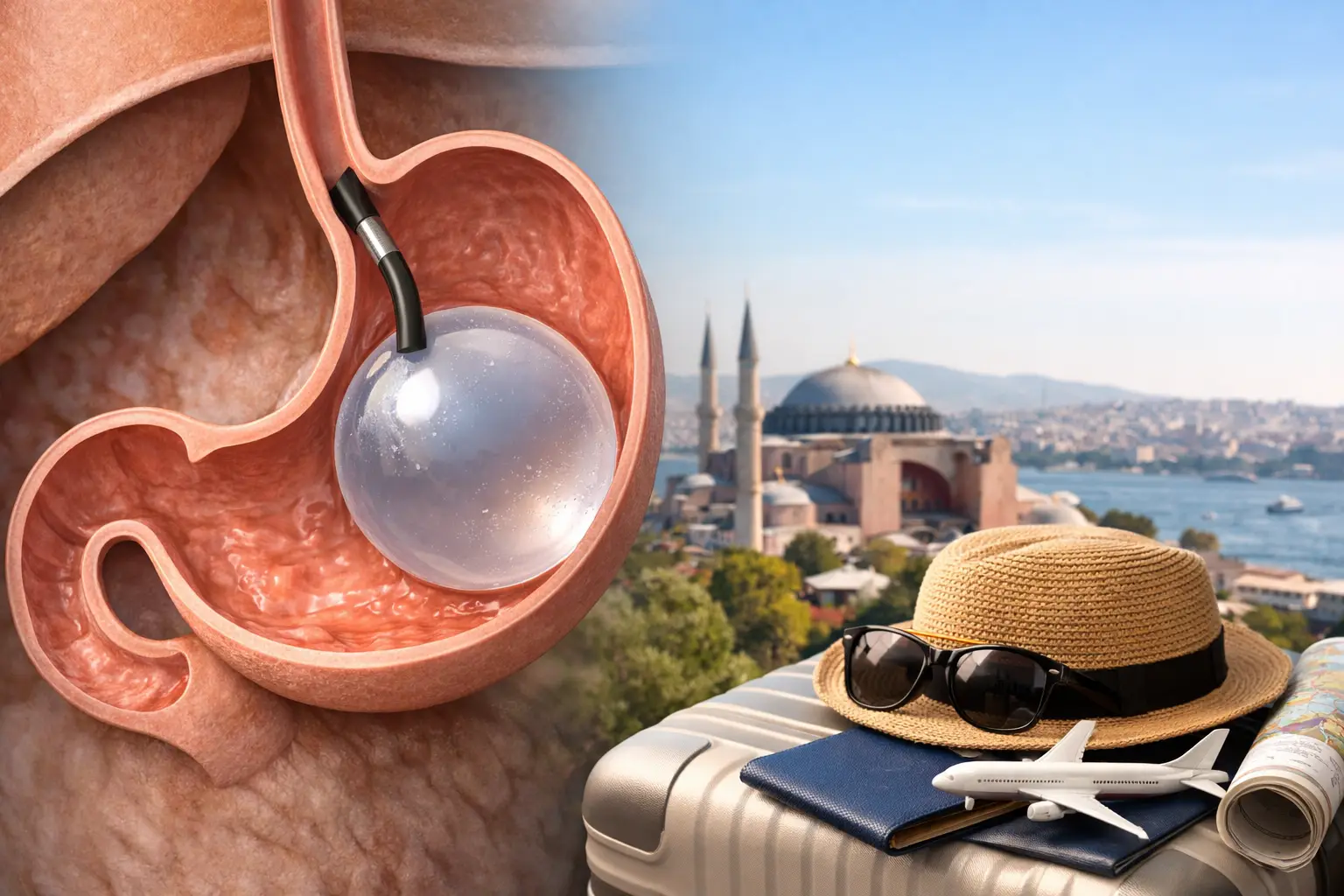

A gastric balloon can appeal when you want meaningful weight-loss support without permanent surgery, but choosing treatment abroad should never be a rushed decision. This guide to gastric balloon in Turkey for travellers explains what the procedure involves, who it may suit, and how to plan the clinical and travel side with confidence.
Unlike a gastric sleeve or bypass, a balloon does not permanently change the stomach. It is a temporary device designed to help you feel full sooner, giving you a defined period to build eating habits that can support weight loss after removal. For many patients, that makes it feel like a manageable first step. For others, especially those needing a larger and more durable reduction in weight, another bariatric procedure may be more appropriate.
What a gastric balloon is – and what it is not
A gastric balloon is a soft silicone balloon placed inside the stomach and filled with saline. It takes up space in the stomach, helping reduce portion sizes and appetite. Most standard balloons are inserted and later removed using an endoscope while you are sedated. The procedure itself is usually short, but the early adjustment period deserves proper planning and support.
The balloon is not a shortcut, nor does it remove the need for nutritional change. Its value lies in the structure it creates. You have an opportunity to practise smaller portions, prioritise protein, improve your relationship with hunger and establish regular movement before the device is removed.
A balloon is usually temporary, with the exact duration depending on the device and treatment plan. Your clinical team should explain the type of balloon being used, how long it remains in place, what removal involves and what support is available afterwards. Do not accept vague answers on these points.
Who may be suitable for gastric balloon treatment?
Suitability is based on more than a number on the scales. A clinician will consider your body mass index, previous attempts at weight management, medical history, medications, eating patterns and goals. Gastric balloons can be considered for people who need support with weight loss but may not want, need or qualify for surgical bariatric treatment.
They can also be used as a bridge before another operation when a surgeon feels that initial weight loss could reduce anaesthetic or surgical risk. However, this is very individual. If you have significant reflux, a history of stomach surgery, a large hiatus hernia, active stomach ulcers, certain liver conditions or difficulties with alcohol or substance use, a balloon may not be suitable.
Be completely open during your consultation. Share details of previous operations, allergies, prescribed medicines, over-the-counter supplements and any history of anxiety, depression or disordered eating. These conversations are not a test. They help the clinical team select treatment safely and make sure the support around you is right.
Questions worth asking before you commit
A responsible provider should be comfortable discussing benefits and limitations in equal measure. Ask who will carry out the procedure, where it will take place and what pre-operative tests are included. You should also ask what happens if you experience persistent vomiting, dehydration or severe pain after treatment, and whether there is a clear route to urgent clinical advice once you are home.
It is also sensible to ask about the removal procedure from the beginning. A low initial price is not necessarily the full cost if it excludes removal, medication, hotel nights, transfers, dietary support or follow-up. Clear written information helps you compare plans fairly.
Your gastric balloon journey in Turkey
For travellers, the medical procedure is only one part of the experience. Good coordination reduces the avoidable stress: airport arrivals, transfers, hotel arrangements, hospital scheduling, pre-operative testing and communication with the medical team should be organised before you board your flight.
At Bridge Health Travel, patients are supported through this journey by a dedicated coordinator who helps keep each stage clear. That matters particularly when you are feeling nervous, travelling with a partner or managing practical questions from family at home.
Before you travel
Your preparation typically begins with a remote assessment and a review of your health information. You may be asked for recent medical records, your height and weight, details of medications and information about any conditions such as diabetes, high blood pressure or sleep apnoea. A final decision is made only after the surgeon and hospital team have reviewed your case.
Follow pre-treatment eating and drinking instructions exactly. The stomach needs to be empty for an endoscopic procedure, and instructions may differ depending on your medicines. If you use blood-thinning medication, injectable weight-loss medication or treatment for diabetes, never change it independently. Ask for specific clinical guidance.
Choose flights that leave you enough time to settle in before the procedure and enough time in Turkey afterwards. Even when patients feel better quickly, travelling immediately after sedation or during the first days of nausea is not sensible. Your coordinator should provide an itinerary based on your treatment plan rather than a generic timetable.
On treatment day
At the hospital, pre-operative checks commonly include blood tests, an ECG and an anaesthetic assessment. These checks are there to identify concerns before sedation and to confirm it is safe to proceed. You should have time to speak with the surgeon, ask final questions and understand the aftercare instructions.
The balloon is inserted through the mouth using an endoscope, so there are no abdominal incisions. After a period of observation, many patients return to their hotel the same day, provided the clinical team is satisfied with their recovery. Your companion can be a real comfort at this stage, although they should understand that you may need quiet, rest and patience rather than sightseeing.
The first week: plan for discomfort, not panic
The first few days are often the hardest part of gastric balloon treatment. Cramping, nausea, reflux, bloating and vomiting can occur while the stomach adjusts to the device. Some people find this period manageable with prescribed medication; others need closer monitoring, intravenous fluids or a longer recovery window. It depends on your individual response.
This is why travelling with a provider that offers accessible support is more than a convenience. You need to know who to contact, what symptoms are expected and when a symptom needs urgent assessment. Severe or worsening abdominal pain, ongoing vomiting that prevents you from keeping fluids down, fever, black stools, chest pain or shortness of breath require prompt medical advice.
Your diet will progress in stages, usually from clear fluids to fuller liquids, then soft foods and eventually carefully portioned solid meals. Follow the plan given by your team rather than relying on social media advice. Drinking slowly, taking small sips throughout the day and separating food from fluids can make the adjustment easier.
Weight loss expectations and the habits that protect results
Weight loss with a gastric balloon varies considerably. Starting weight, metabolic health, food choices, activity, emotional eating, follow-up attendance and how consistently you follow the dietary plan all play a role. A provider should avoid promising a specific number of kilograms because no ethical team can guarantee an individual outcome.
The best results usually come when the balloon is treated as a period of guided practice. Work with nutrition professionals where possible, create meal routines that fit real life and identify the situations that lead to unplanned eating. For some people, this means planning around shift work. For others, it means preparing for weekends, social meals or the return to work after treatment.
Movement matters, but it does not need to begin with intense exercise. Start with the activity level your clinical team approves, then build consistency. Walking, swimming and strength work can all have a place once you are comfortable and cleared to progress.
Safety, quality and follow-up after returning home
Turkey has experienced bariatric surgeons and modern private hospitals, but standards vary, as they do anywhere. Your focus should be on the individual surgeon, hospital, clinical protocols and aftercare plan, not on a destination alone. Check that your procedure will take place in an appropriate hospital setting and that you receive clear documentation for your records.
Before leaving Turkey, make sure you know the medication schedule, dietary stages, emergency warning signs and dates for remote follow-ups. Keep procedure notes and test results accessible, and inform your GP or local healthcare professional about treatment when appropriate. They may not provide routine balloon aftercare, but they should know about any relevant medical intervention.
A reliable medical travel partner stays involved after the flight home. Scheduled check-ins can help you address symptoms early, stay accountable to the food plan and prepare for the eventual balloon removal rather than treating it as an afterthought.
Is a gastric balloon the right choice for you?
A balloon can be a valuable option if you want a reversible, non-surgical intervention and are ready to engage with the lifestyle work that makes it effective. It may be less suitable if you are seeking a permanent anatomical change, have a high level of obesity-related risk that calls for a more powerful intervention, or feel unable to commit to dietary follow-up.
The right decision is the one made with full clinical information, realistic expectations and a support plan that continues after you return home. Ask direct questions, take time to reflect and choose a team that makes you feel informed rather than pressured. Feeling cared for should begin long before treatment day.