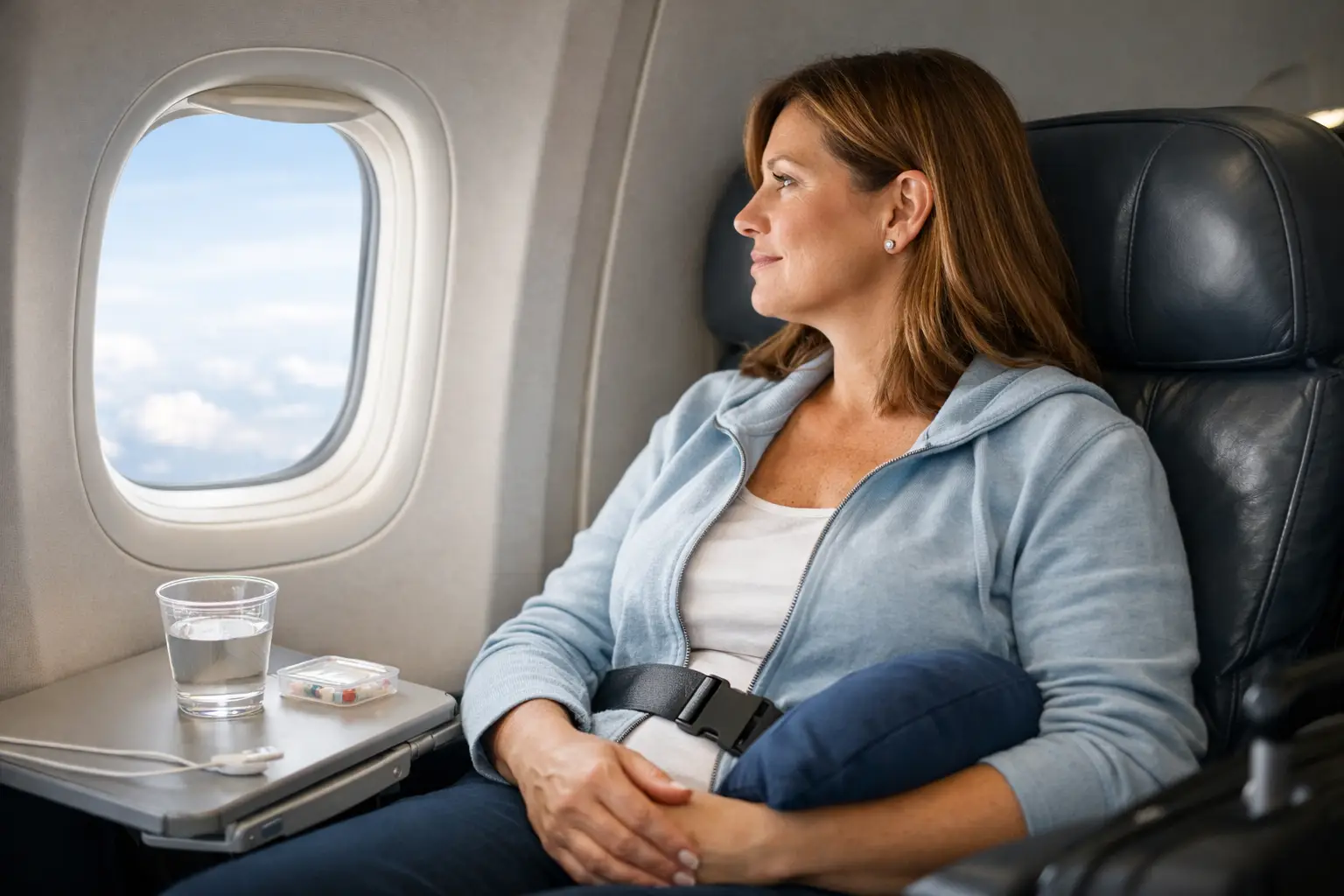

The journey home matters almost as much as the surgery itself. If you are wondering how to fly after bariatric surgery safely, the short answer is this: only travel when your surgeon clears you, follow a very structured plan for hydration and movement, and do not ignore even small warning signs.
For many patients travelling for treatment, especially those coming from the UK or Ireland, the flight home can feel like the final hurdle. You are sore, tired, adjusting to a new eating pattern, and probably thinking more about getting back to your own bed than about circulation, swelling, or sipping fluids every few minutes. That is exactly why a calm, practical plan helps.
How to fly after bariatric surgery safely starts with timing
The safest day to fly is not the same for every patient or every procedure. A gastric balloon patient may have a different recovery timeline from someone who has had a gastric sleeve, gastric bypass, mini gastric bypass, or revisional surgery. Your length of stay, your mobility, your blood test results, how well you are drinking, and whether you have had any post-op nausea all affect the decision.
In most cases, patients are advised not to treat flying as a simple travel detail. It is part of recovery. Surgeons usually want to see that you are medically stable, walking comfortably, passing urine normally, tolerating fluids, and showing no sign of bleeding, infection, leak, or clot risk that would make air travel less safe.
This is where hands-on coordination makes a real difference. When your testing, discharge planning, transfer timing, and flight schedule are aligned properly, there is far less pressure to rush back before your body is ready. A good plan protects your recovery rather than squeezing it around a flight booking.
The biggest risks when flying after weight-loss surgery
Most patients fly home without serious problems, but that does not mean the risks are theoretical. Long periods of sitting can increase the chance of deep vein thrombosis, particularly after surgery. Dehydration is also common because patients are drinking in tiny amounts, cabin air is dry, and early fullness comes quickly.
There is also the simple reality of post-op fatigue. Airports involve walking, standing, waiting, lifting bags, and sometimes stress. For a recovering patient, that can be more physically demanding than expected. Add nausea, abdominal tenderness, or pain from surgical gas, and the day can feel harder than the flight itself.
If you have had a more complex procedure, previous abdominal surgery, or a revisional operation, your surgeon may be even more cautious. Safety advice should always be individual, not copied from someone else’s timeline online.
DVT risk needs special attention
A blood clot is one of the main reasons surgeons give detailed travel instructions after bariatric surgery. Sitting still for hours slows circulation, and surgery itself temporarily increases clot risk. That is why patients are often advised to wear compression stockings, walk regularly, and in some cases use prescribed blood-thinning medication exactly as instructed.
Do not skip these steps because you feel young, fit enough to walk through the airport, or eager to get home. Clot prevention is not about how strong you feel. It is about reducing a known post-operative risk.
Dehydration can become a problem quickly
After bariatric surgery, you cannot drink large amounts at once. On a travel day, this matters. If you fall behind on fluids in the airport and then continue to sip too little during the flight, you may arrive feeling weak, dizzy, headachy, or nauseated.
That is why hydration needs to be planned almost minute by minute. Small, regular sips are more realistic than telling yourself you will drink properly later.
What to do before your flight home
The best flight is the one you have prepared for properly. Start by asking your surgeon and care team direct questions before discharge. Are you cleared to fly? Do you need compression stockings? Are you still on injections? What should you do if vomiting starts at the airport? When should you seek urgent medical help once home?
Try not to leave these questions until the transfer to the airport is waiting outside. Recovery is smoother when you know the plan in advance.
It also helps to keep your travel day physically light. Wear loose clothing that does not press on your abdomen. Choose shoes that are easy to remove and put back on. Keep medications, paperwork, fluids guidance, and a small pillow or support cushion in your hand luggage. If lifting your case will strain your abdomen, do not do it. Ask for help.
If airline assistance would make the journey easier, arrange it. There is no prize for pushing through a long queue or carrying bags across the terminal when you have just had abdominal surgery. Wheelchair support or priority assistance can reduce stress and conserve energy.
How to manage the airport and the flight itself
The goal on travel day is simple: keep moving when appropriate, keep sipping, and avoid anything that strains your body.
At the airport, arrive with enough time that you do not need to rush. Fast walking while tired and sore is an easy way to feel faint or overwhelmed. Once you are through security, focus on fluids and a calm pace. If your post-op plan includes protein liquids or specific clear fluids, stick to what your clinical team has approved rather than experimenting with what is available at the terminal.
During the flight, get up regularly if your surgeon has said you are fit to do so. Even brief walks up and down the aisle can help circulation. When seated, move your ankles and calves often. Do not cross your legs for long periods. If you have been told to wear compression stockings, keep them on for the full journey.
Choose comfort over convenience
Aisle seats are often better than window seats after surgery because they make it easier to stand up regularly. If possible, avoid carrying heavy cabin bags into the overhead locker. Twisting and lifting can be uncomfortable, especially in the first days after surgery.
It is also wise to keep a small post-op kit close by. Useful items often include prescribed medication, a sick bag, tissues, lip balm, a mobile phone charger, and your discharge instructions. These are not glamorous details, but they can make the journey much easier.
Eating and drinking while travelling
The safest approach is to follow your exact post-op diet stage, even if the airport is full of tempting food and your routine feels disrupted. This is not the day to test tolerance with solid food, fizzy drinks, coffee if it has not been approved, or sugary snacks that may upset your stomach.
For most patients, the priority is fluids first. Sip slowly and steadily. Do not gulp because you suddenly realise you are behind. That can lead to pain, nausea, or regurgitation. If you are using protein supplements at this stage, keep to the products and timing your team has recommended.
Alcohol is best avoided. It can worsen dehydration, irritate the stomach, and cloud judgement at a time when you need to notice symptoms clearly.
Red flags you should never ignore
Knowing how to fly after bariatric surgery safely also means recognising when not to continue as planned. If you develop chest pain, shortness of breath, one-sided leg swelling, a racing heart, fever, worsening abdominal pain, repeated vomiting, confusion, or signs that you cannot keep fluids down, you need medical advice urgently.
The same applies if you feel dramatically worse rather than gradually stronger. A difficult recovery day can happen, but certain symptoms need proper assessment, not reassurance from other passengers or guesswork from internet forums.
This is one reason many patients value a coordinator-led experience. When there is a clear point of contact, you are not left trying to work out alone whether something is expected post-op discomfort or a warning sign that needs action.
Once you arrive home
Getting home is not the end of recovery. Continue walking regularly, keep up your fluids, take medications exactly as prescribed, and attend your follow-up appointments. If your team has given you a structured aftercare plan, use it. Patients often focus heavily on surgery day and travel day, but the real progress comes from the habits that follow.
Be patient with your energy levels as well. Travelling after surgery is tiring, even when everything goes smoothly. Give yourself space to rest, recover, and settle into your new routine rather than trying to return immediately to normal pace.
Bridge Health Travel supports many international bariatric patients through exactly this stage, where good logistics and clear aftercare advice can make the journey home feel far less daunting.
A safe flight after bariatric surgery is rarely about one big decision. It comes down to many small ones made well – the right timing, the right support, enough fluids, enough movement, and the confidence to speak up if something does not feel right.