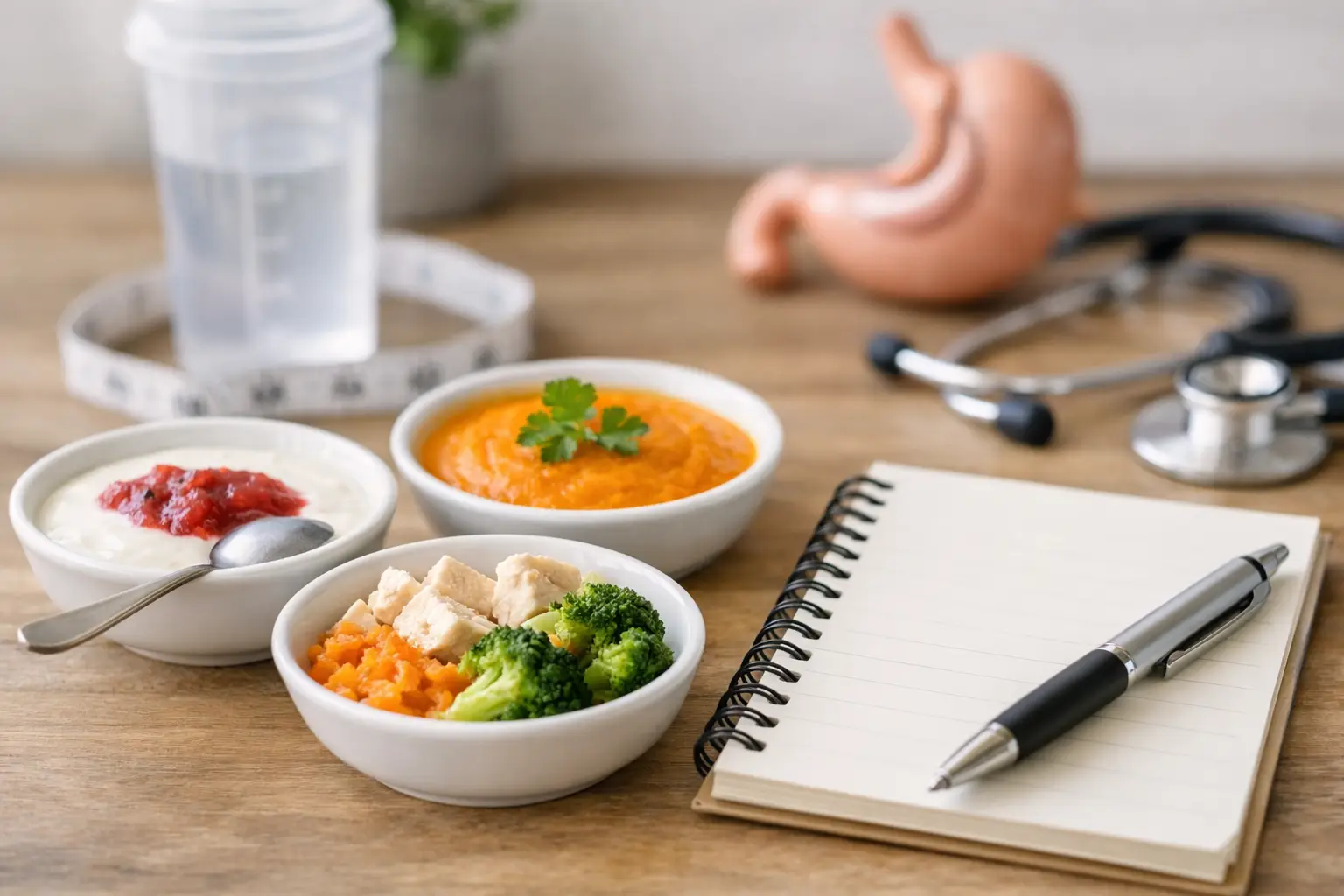

The first meal after bariatric surgery may be only a few measured sips, but having the right plan can make those early days feel far less daunting. Knowing how to plan postoperative meals before you travel means you and anyone supporting you can focus on recovery rather than last-minute shopping, confusing food labels, or wondering what is safe to try.
Your surgeon and dietitian’s instructions always come first. The exact stages, portion sizes and timing differ according to your procedure, medical history and how you are healing. Gastric sleeve, gastric bypass and revisional surgery patients may all receive slightly different guidance. Think of this article as a practical way to prepare your kitchen, your travel home and your support network around your clinical plan.
Start planning before surgery, not after discharge
Postoperative eating is not about finding the perfect recipe. In the first weeks, it is about protecting the surgical area, staying hydrated and gradually meeting protein goals without rushing your stomach. You will be tired after surgery, and your appetite may be very different from what you expect. A simple plan removes unnecessary decisions.
Ask your clinical team for the written dietary stages well before your operation. Keep a copy on your mobile phone and give one to the person travelling with you or helping at home. Check how long each stage is expected to last, your daily fluid target, your protein target, which supplements are prescribed, and whom to contact if you cannot tolerate fluids.
For international patients, this preparation is particularly valuable. You may begin your recovery in Antalya and continue it once you are back in the UK or Ireland. Your coordinator can help ensure you understand discharge instructions before you fly, but arrange your first few days of suitable supplies at home in advance. Ask a family member to shop, place an online grocery order for your arrival day, or prepare a clearly labelled cupboard shelf.
How to plan postoperative meals by recovery stage
Most bariatric pathways move from clear fluids to fuller fluids, then smooth or puréed foods, soft foods and eventually small portions of more textured meals. This progression is deliberate. Each stage gives your body time to heal and helps you identify what you can tolerate.
The fluid stage: make sipping easy
Immediately after surgery, the focus is usually on frequent, small sips of approved fluids. Dehydration is one of the most common reasons patients feel unwell after returning home, especially when drinking feels unfamiliar or you are still managing discomfort and fatigue.
Prepare a small bottle or cup with measurement markings, rather than relying on a large glass. Set gentle reminders if your team recommends them. Still water, approved sugar-free squash, broth and other permitted options can add variety, but do not assume every low-calorie drink is suitable. Fizzy drinks, alcohol, high-sugar beverages and drinks containing caffeine may be restricted, particularly early on.
Do not try to catch up by drinking quickly. Slow, consistent sipping is usually much more comfortable. If a drink causes pain, nausea or repeated vomiting, stop and follow the contact advice provided by your surgical team.
Full fluids: put protein first
When your team moves you on to fuller liquids, protein becomes a central part of the plan. After bariatric surgery, your body needs protein to support healing while you are eating very small volumes. This is why a ready-to-use, dietitian-approved protein shake or powder can be helpful during the early weeks.
Choose products that fit the guidance you have been given, not simply the product with the boldest marketing claims. Check the protein per serving, sugar content, portion size and whether it is suitable for your stage. Buy a couple of flavours initially rather than filling the cupboard with one large tub. Taste changes are common after surgery, and a former favourite can suddenly feel too sweet or unpleasant.
A basic daily tracker can be reassuring. Note fluids, protein servings, supplements and any symptoms. It is not about perfection. It gives you useful information to share at follow-up if you are struggling to reach your targets.
Puréed and soft foods: cook once, portion carefully
When puréed or soft foods are permitted, make small batches rather than family-sized meals. Lean minced meat, fish, eggs, yoghurt, cottage cheese, lentils and beans may feature at this point if they are approved and prepared to the required texture. Protein should generally be the priority, with vegetables or other foods added according to your plan.
Portioning matters as much as ingredient choice. Use small ramekins, teaspoons and small storage pots to avoid serving more than you need. Freeze individual portions and label them with the date and stage. A slow cooker can be useful for making food tender, but it is not essential. The goal is food that is easy to prepare, appropriate in texture and unlikely to go to waste.
Eat slowly, take very small mouthfuls and stop at the first sign of fullness. Pressure in the chest, discomfort, hiccups, burping, nausea or a runny nose can be your body’s way of saying you have had enough. The signal may arrive sooner than you expect. Stopping early is not failure – it is part of learning to eat safely with your new stomach.
Moving towards ordinary meals: structure beats restriction
As your diet progresses, meals become more recognisable, but the principles remain: protein first, very small portions, slow eating and careful chewing. Some foods that were easy before surgery may feel difficult now. Dry chicken, bread, rice, pasta, fibrous vegetables and tougher cuts of meat can be challenging for some patients, particularly if introduced too early or eaten too quickly.
This is where flexibility matters. If one food does not sit well, do not force it or decide that you have failed. Return to a tolerated protein source and ask your dietitian when and how to retry it. Tolerance often changes during recovery.
Build a recovery-friendly food plan at home
Keep the first week’s plan deliberately repetitive. Variety can come later. A manageable plan might rotate approved protein drinks, smooth soups, yoghurt or other suitable options depending on your stage. Familiarity makes it easier to notice whether something is causing a problem.
Your kitchen does not need a complete overhaul, but a few practical items reduce stress:
- A measured water bottle or small cup for tracking sips
- Small freezer-safe pots for stage-appropriate portions
- A blender or hand blender for smooth textures, if your plan requires them
- A food thermometer and labels for safe storage of prepared meals
- A notebook or mobile phone tracker for fluids, protein and supplements
Keep tempting convenience foods out of immediate reach during the first weeks if possible. This is not about creating a punitive environment. It is about making the medically appropriate option the easiest one when you are tired. If you live with others, ask them to store their snacks separately and avoid commenting on your portions or food choices.
Plan for travel, visitors and tired days
Recovery does not always follow a neat timetable. Jet lag, travel fatigue, constipation, pain medication and emotions can all affect appetite and routine. Have portable, stage-appropriate options ready for the journey home only if your clinical team confirms they are suitable. Airport rules on liquids, airline requirements and your individual dietary stage all need consideration.
It also helps to set expectations with visitors. You may appreciate company, but you do not need to host meals or explain every detail of what you are eating. A supportive partner can refill your drink, prepare a small approved meal and remind you about medication, without policing your intake.
At Bridge Health Travel, patients are supported with clear postoperative instructions and aftercare check-ins, because the transition from hospital care to home routines is where reassurance matters most. Keep the number for your clinical team readily available rather than searching for it if you feel worried.
Know when a food problem needs medical advice
A little trial and error is normal as textures change. Persistent inability to drink, repeated vomiting, severe or worsening abdominal pain, fever, signs of dehydration, shortness of breath or chest pain are not issues to manage with a different meal plan. Seek urgent medical advice using the instructions provided by your surgeon or local emergency services.
Also contact your team if you repeatedly cannot meet fluid or protein goals, feel faint, have ongoing diarrhoea or constipation, or are unsure about supplements. Early advice is usually simpler and safer than waiting for a scheduled follow-up.
Your postoperative meals will become less clinical and more natural with time. For now, a labelled shelf, a few approved protein options and a calm plan for the next meal are enough. Small, steady choices give your body the space it needs to heal and help turn surgery into a sustainable new routine.