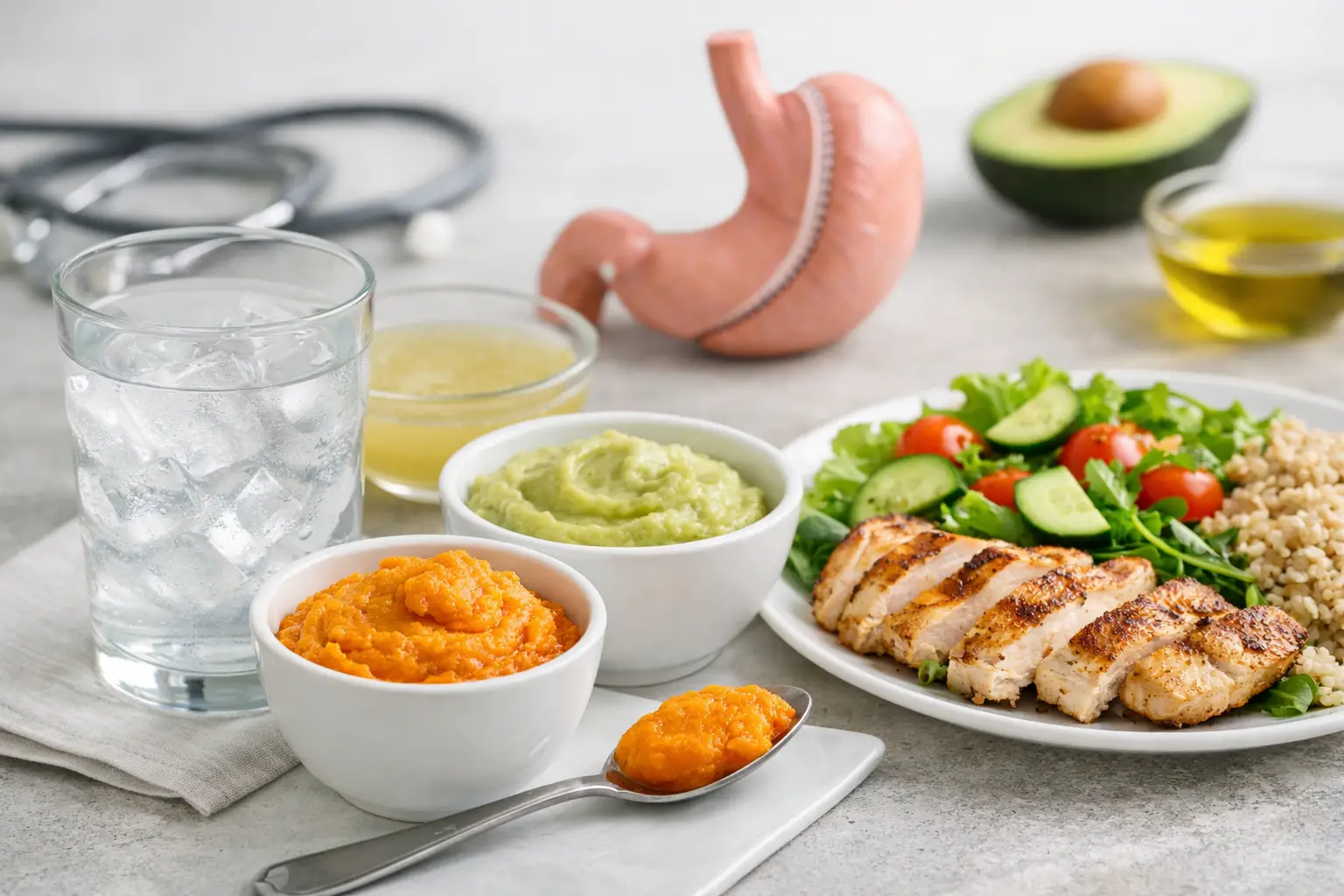

The first few weeks after surgery can feel surprisingly structured. That is not a bad thing. The nutrition stages after gastric sleeve are designed to protect your new stomach, support healing, and help you build habits that make weight loss safer and more sustainable.
Many patients expect the operation to be the hardest part. In reality, the eating progression afterwards is where patience matters most. Your stomach is smaller, more sensitive, and still healing. Moving too quickly can lead to pain, vomiting, reflux, or stretching habits that work against your results. Moving at the right pace gives your body the best chance to recover well.
Why the nutrition stages after gastric sleeve matter
A gastric sleeve changes much more than portion size. It reduces stomach volume, affects hunger hormones, and changes how you tolerate food. Straight after surgery, the staple line needs time to heal. During that period, your diet progresses in stages so you can stay hydrated, meet basic nutritional needs, and avoid irritating the stomach.
This process is not about restriction for the sake of it. Each stage has a job to do. Fluids help prevent dehydration. Purees reduce strain on healing tissues. Soft foods help you relearn portion control and chewing. Solid foods come later, once your body is ready.
The exact timeline can vary slightly between surgical teams, and your consultant or dietitian should always have the final word. If you are travelling for treatment, this is one reason structured aftercare matters. Clear written guidance and easy access to your coordinator can make a stressful recovery feel far more manageable.
Stage 1: Clear and full fluids
This stage usually begins immediately after surgery and lasts for several days, sometimes up to two weeks depending on your surgeon’s protocol. At this point, the priority is not calories. It is hydration and gentle recovery.
You will be encouraged to sip slowly and often rather than drink large amounts at once. Tiny sips are easier to tolerate, especially while swelling is still present. Water, diluted sugar-free drinks, clear broth, and approved protein drinks are commonly used. Some teams also allow skimmed milk or thin yoghurt drinks later in the fluid phase.
What catches many patients off guard is how slow drinking becomes. A mouthful that would have felt normal before surgery can suddenly feel uncomfortable. This is entirely expected. The aim is to sip across the day, not to finish a glass in one go.
During this stage, signs you are going too fast include chest discomfort, nausea, burping, pressure, or pain. Cold drinks suit some patients, while others manage better with room-temperature fluids. It depends on your own tolerance.
Stage 2: Pureed foods
Once fluids are going down comfortably, you usually move on to pureed food. This stage often lasts one to two weeks. Texture matters here just as much as food choice. If it needs chewing, it is probably too early.
Pureed meals should be smooth, lump-free, and moist. Think of the consistency of thick yoghurt or baby food. Lean protein should stay at the centre of meals because healing increases your protein needs and protein also helps preserve muscle while you lose weight.
Suitable options often include pureed chicken, turkey, fish, cottage cheese, Greek yoghurt, mashed beans, or scrambled egg if tolerated and approved. Some patients manage blended soups with added protein well, but creamy soups can become high in fat very quickly, so they need to be chosen carefully.
This is also the stage where people start learning one of the biggest long-term bariatric habits – stop eating at the first sign of fullness. After a sleeve, fullness can show up as pressure, hiccups, a runny nose, or simply a sudden loss of interest in the food. Pushing past that point rarely ends well.
Stage 3: Soft foods
Soft foods are the bridge between purees and normal meals. This stage often begins around weeks three to six, although timings vary. Foods should be tender, easy to mash with a fork, and simple to chew thoroughly.
Soft fish, minced chicken, soft eggs, low-fat cheese, yoghurt, well-cooked vegetables, and soft fruit without skins are often introduced here. Meals stay small, and protein still comes first. You may only manage a few spoonfuls at a time. That can feel worrying, but early on it is normal.
This phase is useful because it teaches pacing. Take tiny bites. Chew very well. Pause between bites. Meals should not be rushed. If you eat quickly, even soft foods can feel stuck.
There is also a practical point that matters for long-term success – soft does not mean slider food. Foods like mashed potato, biscuits softened in tea, ice cream, and crisps may go down easily, but they do very little to support recovery or healthy weight loss. Easy to eat is not the same as helpful.
Stage 4: Regular textured foods
When your team confirms you are ready, you can begin introducing more regular foods. For many patients, this starts around six weeks after surgery, though some need longer. The goal is not to return to old eating habits. It is to build a balanced way of eating that works with your sleeve.
At this stage, most meals should still begin with protein. Chicken, fish, eggs, yoghurt, seafood, lean meat, and legumes are usually staple choices. Vegetables come next, followed by small amounts of complex carbohydrates if there is room and if they are tolerated.
Some foods are commonly difficult after a sleeve, especially in the early months. Dry chicken breast, bread, rice, pasta, fibrous red meat, and fizzy drinks can cause discomfort. That does not mean you will never tolerate them, but they often need to be reintroduced cautiously, if at all.
Tolerance is personal. One patient may manage salad quite early, while another struggles with lettuce for months. The important thing is not to compare your progress too closely with someone else’s. Good recovery is not a race.
Protein, hydration and vitamins
Across all nutrition stages after gastric sleeve, three priorities stay constant – protein, fluids, and supplements.
Protein helps wound healing, supports muscle mass, and improves fullness. Most patients are advised to work towards a daily protein target set by their clinical team. Hitting that target can be difficult at first, which is why protein shakes or high-protein yoghurts are often useful in the early stages.
Hydration needs regular attention because you can no longer drink large volumes quickly. Many patients find it easier to keep a bottle nearby and sip throughout the day. Drinking and eating are usually kept separate, with patients advised not to drink just before, during, or straight after meals. This helps prevent overfilling the stomach and supports better tolerance.
Vitamin and mineral supplements are not optional extras. Even though a gastric sleeve is mainly restrictive rather than malabsorptive, lower food intake can still make deficiencies more likely. Your team may recommend a bariatric multivitamin, calcium, vitamin D, iron, or B12 depending on your blood results and individual plan.
Common mistakes during recovery
Most problems after sleeve surgery do not start with one dramatic mistake. They usually come from small habits repeated often.
Eating too quickly is one of the most common. So is drinking with meals. Another is progressing textures before the stomach is ready because you feel well and assume healing is complete. Feeling better and being fully healed are not quite the same thing.
Patients also sometimes focus too much on eating less and not enough on eating well. A few bites of chocolate mousse may seem easier than a few bites of fish, but the nutritional value is entirely different. Early recovery sets patterns, and those patterns matter.
If you are travelling abroad for surgery, preparation helps here. Before you fly home, it is worth knowing exactly what stage you will be on, what foods fit that stage, and who to contact if symptoms change. A well-organised aftercare pathway makes those questions much easier to handle.
When to ask for help
Some discomfort is normal while adjusting to a new stomach. Persistent vomiting is not. Neither is an inability to keep fluids down, worsening abdominal pain, signs of dehydration, fever, or severe reflux that is getting worse rather than better.
Even less urgent issues deserve attention if they continue. Ongoing constipation, struggling to meet protein goals, dizziness, fatigue, or fear around eating can all slow recovery. Early support often prevents a small issue from becoming a bigger one.
For many international patients, reassurance is as important as the food plan itself. Knowing that your surgeon’s team and coordinator remain available after discharge can make the entire process feel safer and less isolating.
The weeks after surgery ask for discipline, but not perfection. Some days fluid intake will be easier than others. Some foods you expected to tolerate may not sit well yet. If you stay guided by your clinical team, keep your focus on healing rather than speed, and treat each stage as part of the treatment rather than an obstacle, you give yourself the best possible start.