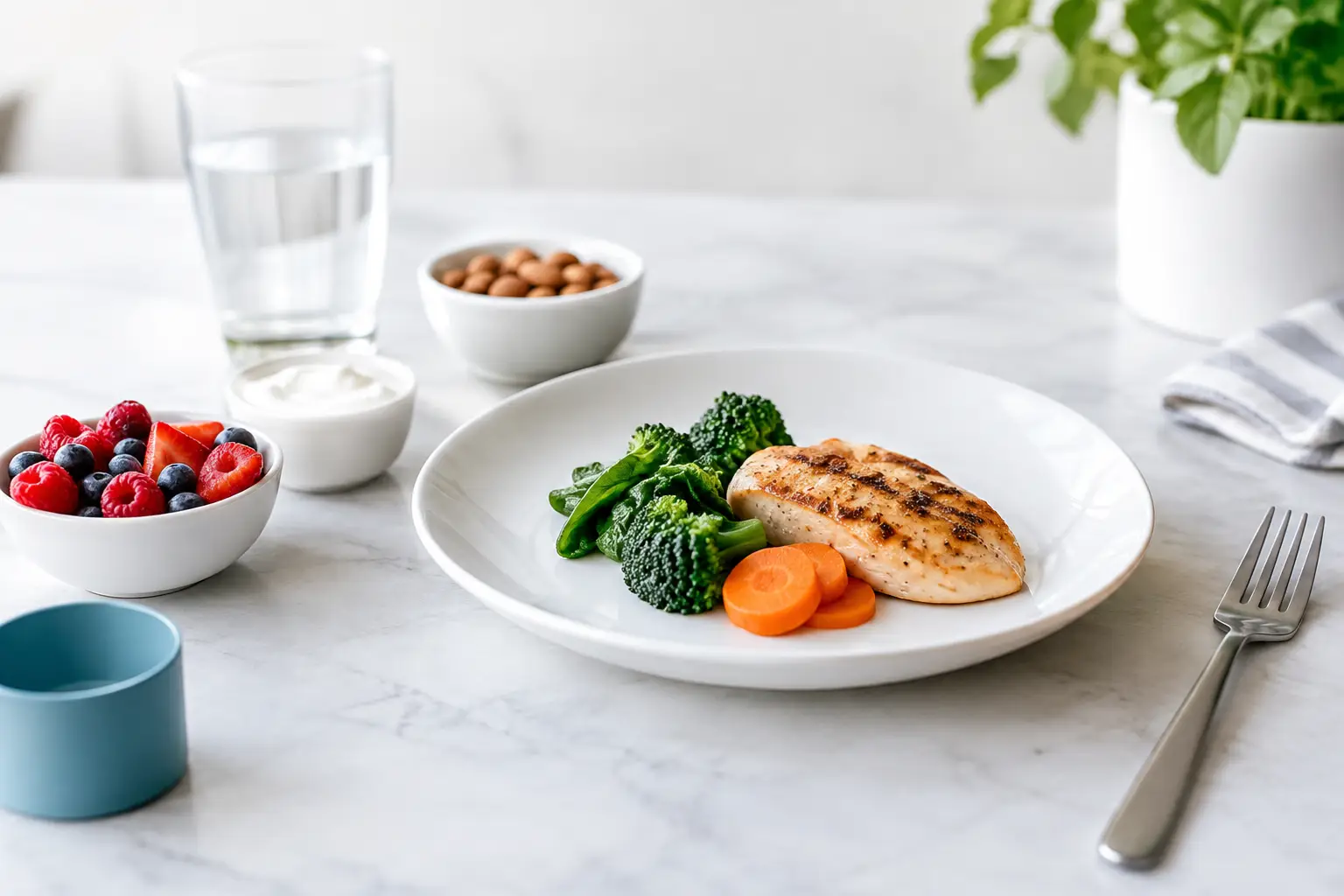

A small bowl can feel surprisingly emotional after bariatric surgery. You may know your procedure is designed to help you eat less, yet it can still take time to trust that a smaller portion can nourish you, satisfy you and support the life you travelled for. This portion control guide is designed to make those early choices clearer, without turning every meal into a source of worry.
Portion control after gastric sleeve, gastric bypass or another weight-loss procedure is not about punishment or eating as little as possible. It is about protecting your new anatomy, prioritising nutrition and learning to notice your body’s quieter signals of hunger and fullness. Your surgeon and dietitian’s personalised plan always comes first, particularly during the recovery stages.
Why portion sizes matter after bariatric surgery
After surgery, your stomach capacity is smaller and the way food moves through your digestive system may have changed. A few extra mouthfuls can cause discomfort, nausea, reflux, vomiting or the unpleasant symptoms sometimes associated with dumping syndrome. More importantly, regularly eating beyond comfortable fullness can make it harder to build the habits that support long-term weight management.
The goal is not to chase a single “correct” portion forever. Your recommended volume will change as you recover, and it may differ depending on your procedure, nutritional needs, activity level and clinical history. Early on, portions may be measured in teaspoons or tablespoons. Later, meals are still modest, but you will have more variety and flexibility.
Think of each meal as a nutritional opportunity. Because there is less room, the quality and order of what you eat matter far more than they may have before surgery.
Your portion control guide: start with the recovery stage
The staged eating plan provided by your clinical team exists for a reason. It allows healing, helps you tolerate fluids and food safely, and gradually prepares you for a balanced solid-food diet. Moving ahead too soon because you feel well can cause pain or intolerance, even if a food seems harmless.
Fluids and purées: precision supports healing
Immediately after surgery, the focus is usually on small, frequent sips of approved fluids. You will be asked to sip slowly rather than drink quickly, as even water can feel uncomfortable when taken too fast. Protein drinks, clear fluids and puréed foods should be taken in the amounts and timing advised by your team.
Measuring matters most at this stage. Use the cups, spoons or containers recommended in your discharge guidance instead of estimating. Keep a record of fluids and protein if your care team has asked you to do so. It is a practical way to spot when you may need extra support before dehydration or poor intake becomes a problem.
Soft foods and solids: protein first, always
Once you are cleared for more textured meals, begin with protein. Eggs, fish, tender chicken, yoghurt, cottage cheese, lean minced meat, tofu and other suitable choices can help preserve muscle while you lose weight. The exact foods you tolerate will vary, especially in the first months.
Eat the protein portion first, then move to vegetables or other foods permitted in your plan. If you fill up before finishing the rest of the meal, you have still prioritised what your body needs most. Carbohydrate-rich foods can have a place later, but they should not displace protein in the limited space available.
Build a meal that fits your new routine
At the solid-food stage, a small plate or bowl can be helpful, but it is not a substitute for awareness. A large plate encourages comparison with old eating habits. A smaller dish makes an appropriate bariatric portion look normal and gives your brain a clearer visual cue that the meal is complete.
Serve one portion, sit at a table where possible, and put the rest away before you begin eating. This removes the pressure to “finish what is there” and gives you space to assess how you feel. If you are meal-prepping, divide food into individual containers rather than eating from a shared dish.
Your dietitian may give you a specific gram target, volume target or plate structure. Follow that rather than an online rule. One person’s comfortable meal may be too much for another, and foods with the same volume can be very different nutritionally. A few spoonfuls of Greek yoghurt and a few spoonfuls of crisps are not interchangeable choices.
Slow down enough to feel fullness
After bariatric surgery, fullness can arrive quickly, but your mind may not recognise it as quickly as it once did. Eating slowly gives that signal time to reach you. Take small bites, chew thoroughly until food is soft, and pause between mouthfuls. A meal may take 20 to 30 minutes, depending on your stage and clinical advice.
Avoid eating while scrolling, working or watching television when you can. Distraction makes it easier to miss the first signs that you have had enough. It can also make a small meal feel unsatisfying because you barely noticed eating it.
Fullness is not always a dramatic sensation. It may be a gentle pressure in the upper stomach, a sigh, a runny nose, a hiccup, a feeling that the next bite is less appealing, or simply the absence of hunger. Stop at comfortable satisfaction rather than waiting until you feel overfull. The final bite is never worth the pain of an uncomfortable hour afterwards.
Keep drinks separate from meals
Many bariatric plans recommend avoiding drinks around meals, often with a gap before and after eating. This can help prevent food from being pushed through the stomach too quickly and leave room for protein-rich food rather than liquid. Your own timing instructions may vary, so use the guidance provided by your surgeon or dietitian.
Hydration still needs daily attention. Carry a water bottle, take regular small sips between meals and choose sugar-free drinks approved for your stage. Thirst can sometimes feel like hunger, particularly when you are busy, so pausing for a drink may prevent unnecessary grazing.
Watch for the habits that quietly enlarge portions
Portion sizes are not only decided at dinner. They can gradually increase through bites while cooking, finishing a child’s leftovers, grazing from packets, alcohol calories or frequent high-calorie drinks. None of these behaviours makes you a failure. They are common habits, often linked to stress, tiredness, social situations or longstanding routines.
A useful approach is to make the easier choice visible. Portion snacks into a bowl rather than eating from the packet. Plan a protein-based option for the time of day you tend to feel hungriest. Keep a simple food and feeling diary for a week if you are unsure what is driving grazing. The aim is curiosity, not criticism.
Be particularly careful with foods that are easy to eat quickly, such as chocolate, biscuits, crisps and ice cream. They may fit through a small stomach with little discomfort while providing limited protein and substantial calories. That does not mean these foods are permanently forbidden. It means they require more conscious choices and, for some people, a clear boundary.
Social meals, travel and eating out
Returning to restaurants and family meals can feel daunting. You may worry that people will comment on your small portion or encourage you to eat more. A simple response is enough: “I am following my post-surgery food plan.” You do not owe anyone further detail.
When eating out, choose a protein-led option, ask for sauces separately where appropriate and accept that you may take food away. Avoid arriving extremely hungry, because rushing or overeating is more likely when hunger is intense. If you are travelling, pack suitable snacks permitted by your plan and keep your water routine steady.
For international patients, this preparation can be especially reassuring once you return home and ordinary life starts to feel busy again. Bridge Health Travel’s aftercare check-ins are there to help you raise questions early, whether you are unsure about a portion, struggling with fluids or finding a certain food difficult to tolerate.
When to ask for clinical support
Some adjustment is expected, but persistent problems deserve attention. Contact your surgical team or healthcare provider if you cannot keep fluids down, have repeated vomiting, signs of dehydration, severe or worsening pain, difficulty swallowing, or ongoing weakness. Do not try to solve these symptoms simply by eating less or skipping meals.
You may also benefit from dietetic support if you are constantly hungry, relying on slider foods, avoiding protein, or feeling anxious around every meal. Portion control should create structure and confidence, not fear. Regular follow-up, blood tests and prescribed supplements are equally important because nutritional deficiencies can develop even when weight loss is progressing well.
A smaller plate is only one tool. The lasting change comes from eating with care, stopping when your body says enough and asking for support when the routine feels difficult. With time, those small, well-chosen meals can become less of a rule to manage and more of a dependable way to look after yourself.