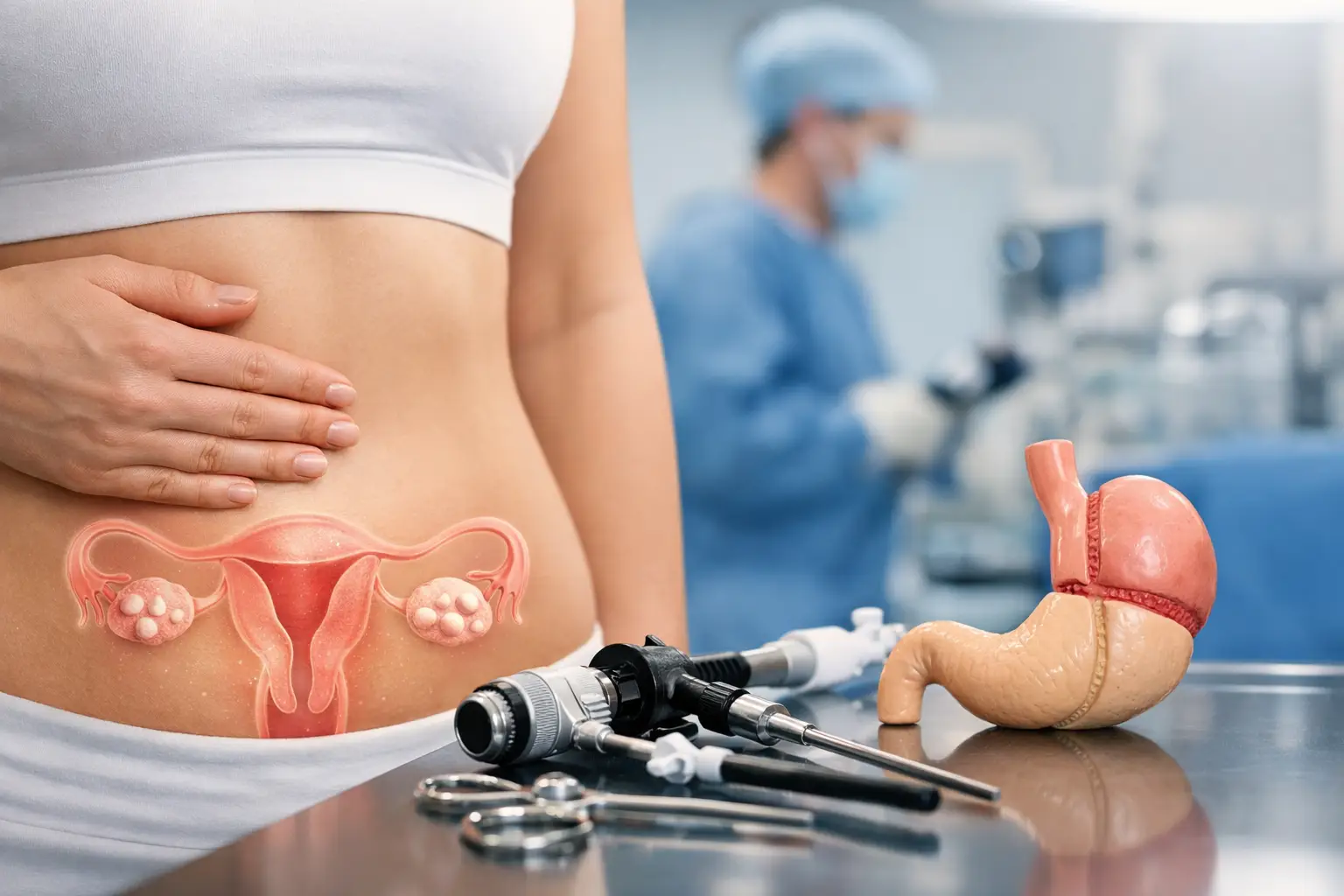

When PCOS, weight gain and insulin resistance start feeding into each other, the question often shifts from “How do I diet better?” to “What will actually work?” That is why so many patients ask about the best bariatric procedure for PCOS – not as a cosmetic choice, but as a serious step towards improving fertility, cycles, metabolic health and day-to-day quality of life.
There is no single operation that is automatically best for every woman with PCOS. The right procedure depends on your BMI, eating patterns, reflux symptoms, fertility plans, medical history and how much metabolic improvement you need. For many patients, the strongest contenders are gastric sleeve and gastric bypass, with mini gastric bypass sometimes considered in the right clinical setting. A gastric balloon may help with weight loss, but it is usually not the first choice if PCOS symptoms are severe and long-term metabolic change is the main goal.
What makes PCOS different when choosing bariatric surgery?
PCOS is not simply a weight issue. It is a hormonal and metabolic condition that commonly involves insulin resistance, irregular ovulation, raised androgen levels and difficulty losing weight even with sustained effort. That matters because bariatric surgery does more than reduce stomach size. The right procedure can also improve insulin sensitivity, lower inflammation and support hormonal regulation.
For some women, that can mean more regular periods, improved ovulation and a better response to fertility treatment. For others, the main goal is reducing long-term health risks such as type 2 diabetes, sleep apnoea, fatty liver disease or high blood pressure. The procedure choice should match those goals rather than chasing the biggest number on the scales.
Best bariatric procedure for PCOS: the main options
Gastric sleeve
Gastric sleeve is often the most commonly recommended starting point for patients with PCOS who qualify for surgery. It removes a large portion of the stomach, which reduces hunger hormones and helps patients feel full sooner. In practical terms, it offers strong weight-loss results without changing the route of the intestines.
For women with PCOS, that can be a very good fit. Significant weight loss often improves insulin resistance and hormonal balance, and many patients see more regular cycles as their weight falls. Sleeve surgery is also technically simpler than bypass and tends to have a more straightforward supplement routine afterwards, though vitamins are still essential.
The trade-off is that sleeve is not ideal for everyone. If you already struggle with significant acid reflux, a sleeve may worsen it. It can also be less powerful than bypass for some patients with severe metabolic disease or a very high BMI. So while sleeve is an excellent option for many women with PCOS, it is not automatically the best choice in every case.
Gastric bypass
Gastric bypass is often the strongest option when PCOS sits alongside severe insulin resistance, poorly controlled type 2 diabetes, reflux or a need for greater metabolic impact. It works by creating a small stomach pouch and rerouting part of the small intestine, which changes both food intake and hormone signalling.
That hormonal effect is one reason bypass can be particularly effective in metabolically complex cases. Patients often see excellent weight loss and meaningful improvement in blood sugar control. For some women with PCOS, especially those whose symptoms are tightly linked to insulin resistance, that can make bypass a very strong contender.
But bypass comes with more complexity. The risk of nutritional deficiencies is higher than with sleeve, so long-term follow-up and supplements are non-negotiable. It also requires a patient who is ready to stick closely to dietary guidance and aftercare. If you want a balance of strong results and simpler anatomy, sleeve may still be preferable. If you need the extra metabolic push, bypass may offer more.
Mini gastric bypass
Mini gastric bypass can be an appealing middle ground for some patients. It is generally shorter to perform than a traditional bypass and can deliver very strong weight-loss and metabolic results. In selected cases, it may be considered a good option for women with PCOS, particularly where insulin resistance is marked.
That said, procedure selection here needs care. Not every patient is suitable, and reflux or bile-related symptoms can be a concern in some cases. This is one of those situations where individual surgical assessment matters more than broad internet advice.
Gastric balloon
A gastric balloon is less invasive and does not involve surgery in the same way as sleeve or bypass. It can support short-term weight loss and may suit patients with a lower BMI or those not yet ready for an operation.
For PCOS, though, the balloon is rarely considered the best bariatric procedure if the goal is durable, substantial metabolic improvement. Weight loss tends to be more modest, and because the balloon is temporary, long-term results depend heavily on what happens after it is removed. It may still have a place, but usually not as the leading option for more severe obesity linked to PCOS.
So which procedure is best for PCOS?
For many women, gastric sleeve is the best all-round bariatric procedure for PCOS because it offers substantial weight loss, strong hormonal benefits and a lower level of anatomical change than bypass. It is often a sensible choice when the main drivers are obesity, irregular cycles and insulin resistance without severe reflux.
Gastric bypass may be the better option if you have PCOS plus significant reflux, type 2 diabetes, more advanced metabolic disease or previous failed weight-loss attempts with a need for a stronger intervention. In those cases, the extra metabolic effect can outweigh the added complexity.
So the honest answer is this: the best procedure is the one that matches your full clinical picture, not just your diagnosis of PCOS.
Fertility, periods and timing after surgery
This is where many patients need clear guidance. Bariatric surgery can improve ovulation and fertility, sometimes quite quickly. That may sound encouraging if PCOS has made conception difficult, but it also means pregnancy planning needs to be taken seriously.
Most bariatric teams advise avoiding pregnancy during the rapid weight-loss phase after surgery, usually for 12 to 18 months depending on the procedure and your recovery. That is not because surgery harms fertility. It is because early pregnancy during fast weight loss can make nutrition harder to manage safely.
If having children is part of your plan, tell your surgeon and coordinator early. It influences the conversation around timing, supplements, gynaecology input and which procedure may suit you best.
What your surgeon will look at before recommending a procedure
A proper recommendation should never be based on PCOS alone. Your team should assess your BMI, blood results, history of reflux, eating behaviours, previous abdominal surgery, current medications and whether you have conditions such as diabetes or sleep apnoea.
They should also ask about your relationship with food. For example, if you tend to graze throughout the day, some procedures may work better than others. If you have severe sweet-eating patterns, that also matters. Good bariatric care is not about pushing one operation. It is about matching the operation to the patient.
That is one reason international patients often value a coordinator-led process. When surgery is combined with pre-op testing, hospital planning, travel logistics and structured aftercare, it becomes much easier to focus on the medical decision instead of juggling every detail alone.
Choosing safely, not just cheaply
If you are travelling for surgery, the right question is not only “Which procedure is best for PCOS?” but also “Who is assessing me, and how carefully?” A lower price means very little if the procedure is poorly matched or follow-up is weak.
Look for a service that includes proper pre-operative review, clear explanations of why one operation is being suggested over another, and realistic discussion of risks, recovery and long-term commitments. You should know what testing is included, how your hospital stay is managed and what support exists once you return home.
At Bridge Health Travel, that usually means patients are guided through each stage with one clear point of contact, which can make a high-stakes decision feel far more manageable.
The best question to ask at your consultation
Instead of asking only which operation is most popular, ask this: “Based on my PCOS, my weight, my reflux, my fertility plans and my blood sugar, which procedure would you choose if I were your family member?”
That question often leads to a more useful answer. It invites nuance. It opens the door to trade-offs. And it helps you move past generic advice towards a decision that fits your body and your future.
If PCOS has kept you stuck for years, the right bariatric procedure can change much more than the number on the scales. It can give your hormones, your health and your confidence some room to settle into a better direction.