
A gastric balloon is not a surgical weight-loss procedure, but it is still a medical treatment that deserves careful planning. Understanding how gastric balloon placement works can replace much of the uncertainty with clear, practical expectations – from the first assessment to the day the balloon is removed.
For some people, a balloon offers a valuable reset: a temporary tool that helps them feel full sooner while they establish eating habits that can support longer-term weight loss. It is not a shortcut, and it is not right for everyone. The best results come when the device, clinical care and ongoing dietary support work together.
What a gastric balloon is designed to do
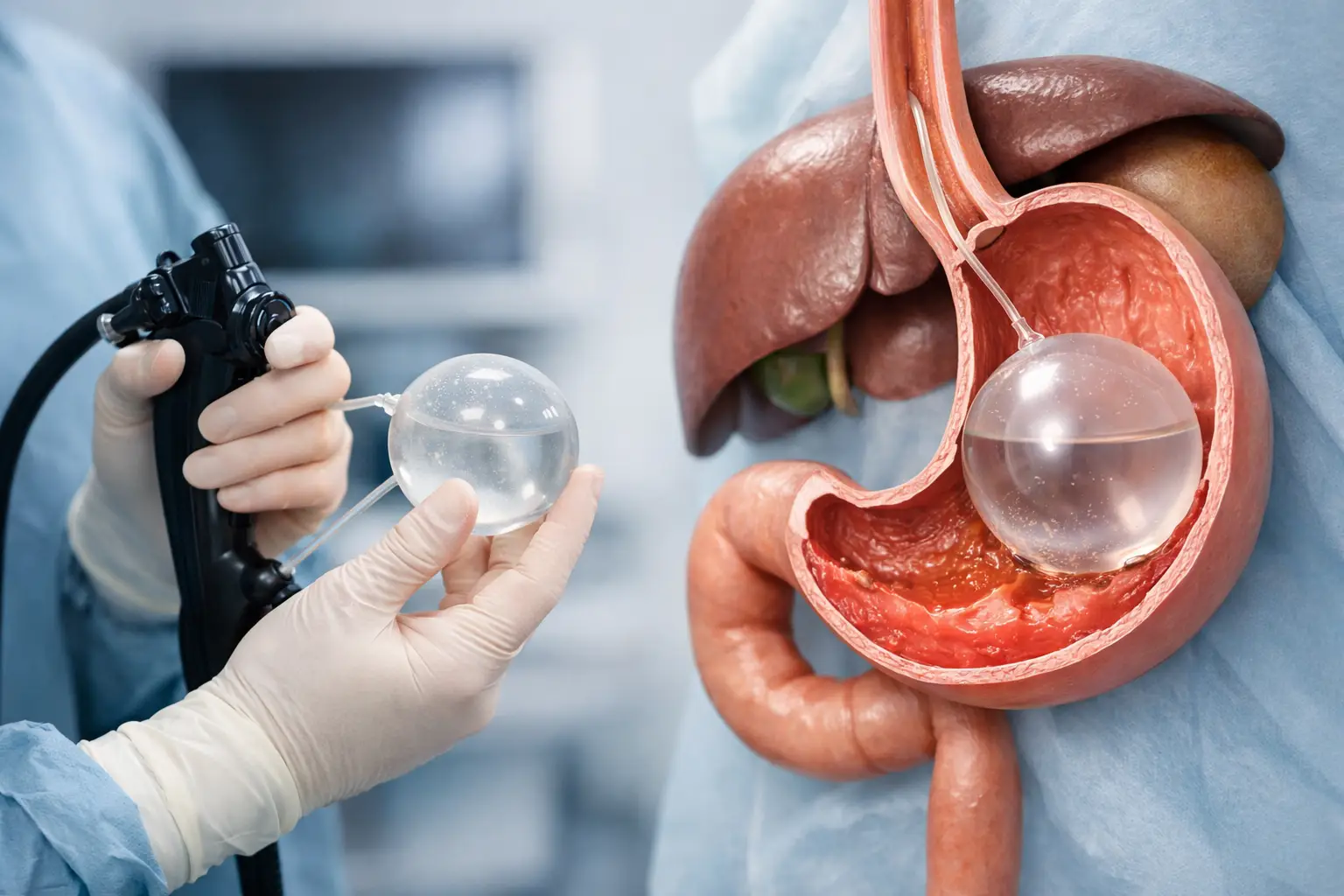
A gastric balloon is a soft, expandable medical device placed inside the stomach. Once filled, it takes up space in the stomach and can help you feel satisfied with smaller portions. By slowing the rate at which food leaves the stomach, it may also help reduce hunger between meals for some patients.
Unlike gastric sleeve or gastric bypass surgery, a balloon does not permanently change the stomach or intestines. It is temporary and is usually removed after a set period, depending on the balloon type and your treatment plan. This makes it an option worth discussing for people who want medical support for weight loss but are not ready for, or do not meet the criteria for, bariatric surgery.
The amount of weight lost varies. Your starting weight, eating patterns, activity, medical history and commitment to follow-up all matter. A balloon helps create a physical feeling of restriction, but the changes you make while it is in place are what help protect your progress after removal.
Who may be suitable for a gastric balloon?
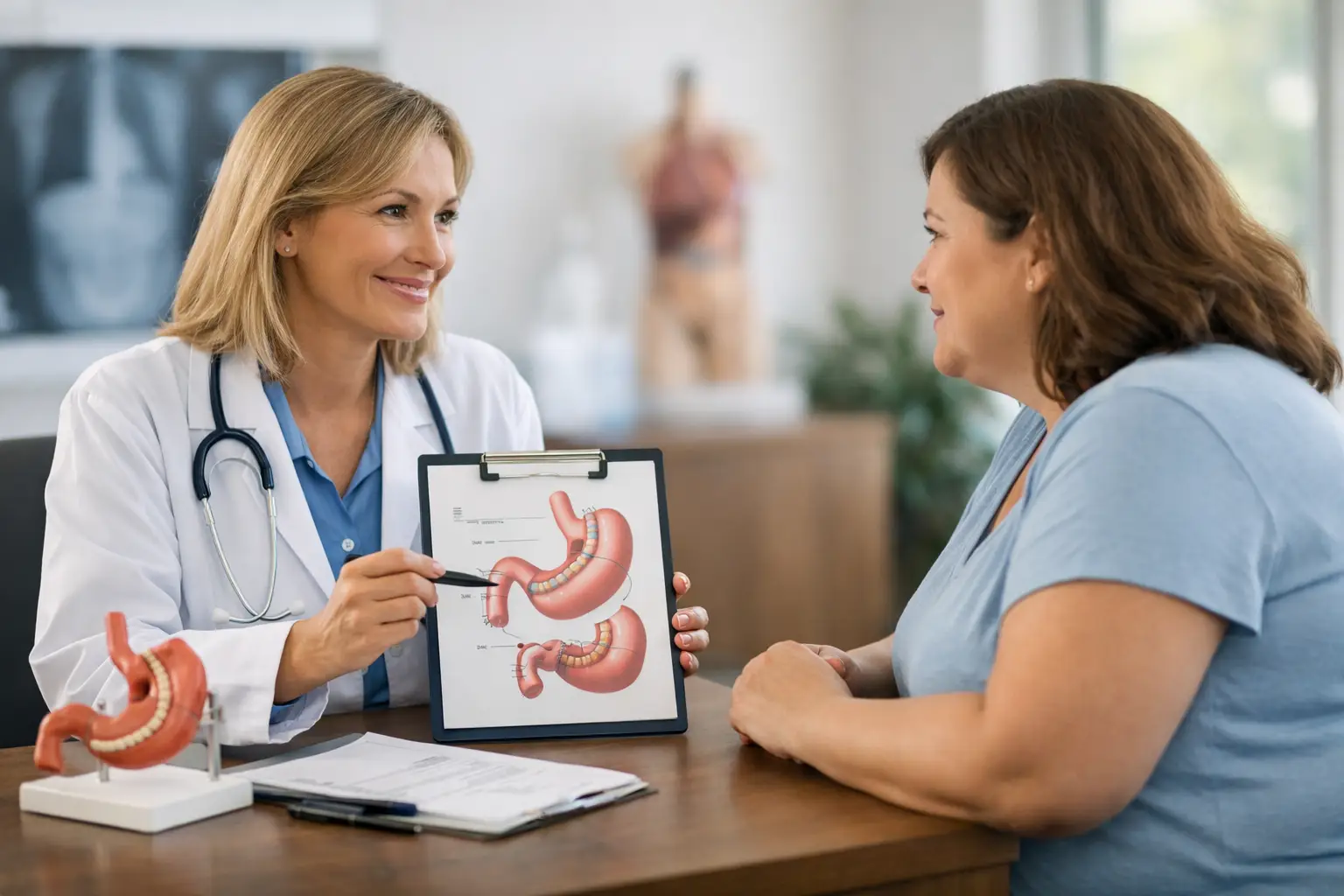
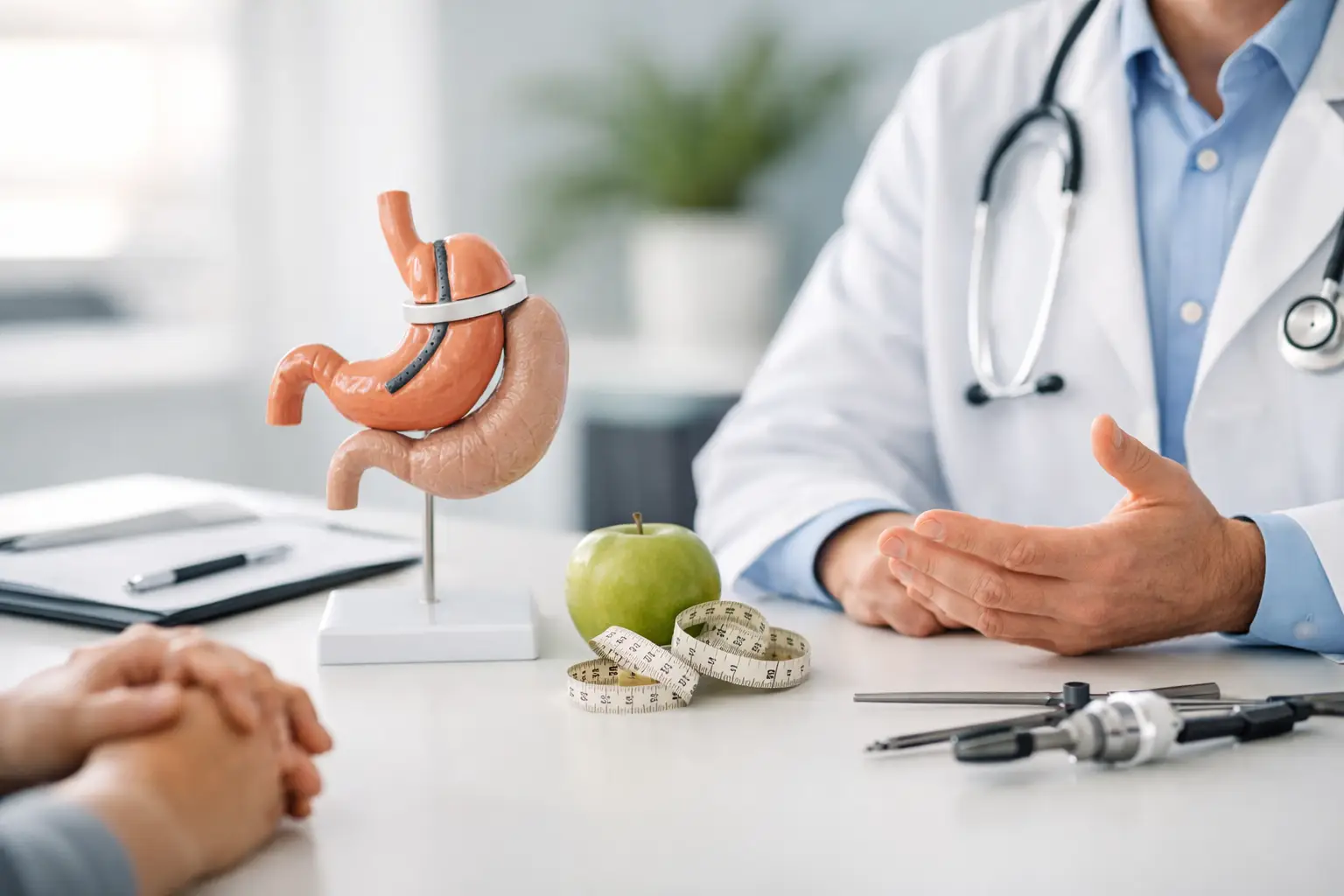
Suitability begins with a proper clinical assessment, not a quick online decision. Your surgeon or bariatric clinical team will review your body mass index, weight-loss history, current medications and any health conditions such as type 2 diabetes, high blood pressure or reflux.
A gastric balloon may be considered for adults with overweight or obesity who have struggled to lose weight through diet and exercise alone. It can also sometimes be used as a bridge before bariatric surgery, particularly when a patient needs to reduce operative risk before a larger procedure.
However, previous stomach or oesophageal surgery, a large hiatus hernia, active stomach ulcers, certain bleeding conditions, pregnancy, heavy alcohol use or an untreated eating disorder may mean a balloon is unsuitable. Significant reflux can also affect the decision. These are not details to overlook, which is why pre-operative testing and an honest medical history are essential.
How gastric balloon placement works on the day
There are different balloon systems, and the fitting method depends on the device selected by your clinical team. The most common type is placed endoscopically. This means the surgeon uses a thin, flexible camera passed through the mouth to view the oesophagus and stomach before positioning the empty balloon.
Before the procedure
You will be asked to follow fasting instructions, usually avoiding food and drink for a specified period before arrival. At the hospital, the team checks your observations, reviews your medical information and confirms that it is safe to proceed. Depending on your individual plan, this may include blood tests, an ECG or other pre-operative checks.
For endoscopic placement, most patients receive sedation or a short general anaesthetic. You will be asleep or very drowsy and should not feel the procedure itself. Your clinical team will explain which option is being used and what recovery arrangements are needed.
Placement and filling
Once the stomach has been examined, the deflated balloon is guided into position. It is then filled through a small tube with sterile saline, often with a blue dye added. The dye is a safety measure: if the balloon were to leak, a change in urine colour could alert you to contact the clinical team quickly.
The balloon is filled to a volume chosen for the device and your anatomy. It must be large enough to create the intended feeling of fullness, while remaining appropriate for your comfort and safety. The filling tube is removed, leaving the sealed balloon inside the stomach.
The placement itself is often completed in around 20 to 30 minutes, although your total time at the hospital will be longer because of admission, preparation and recovery. After sedation or anaesthetic, you will need someone to accompany you and should not drive.
Some newer balloon systems are swallowed as a capsule under medical supervision and confirmed in position with imaging before they are filled. These do not require endoscopy for placement, but they still require assessment, monitoring and a clear plan for follow-up. The right option depends on your medical profile, local availability and the surgeon’s recommendation.
The first days after placement
The first few days are usually the hardest part of the gastric balloon journey. Your stomach needs time to adjust to the balloon, and nausea, cramping, bloating, reflux and vomiting are common early symptoms. These effects are often most noticeable during the first 48 to 72 hours.
Your team may prescribe anti-sickness medication, pain relief and acid-reducing medication to make this period more manageable. You will begin with fluids, then progress through puréed and soft foods as instructed. Trying to advance your diet too quickly can worsen discomfort, so following the stages matters.
Most people improve noticeably within several days, though adjustment can take longer for some. You should contact your clinical team urgently if you cannot keep fluids down, have severe or worsening abdominal pain, develop a fever, vomit blood, pass black stools, or notice blue or green urine. These symptoms are uncommon, but they need prompt medical assessment.
Living with a gastric balloon
Once you have recovered from the initial adjustment, the balloon becomes part of a structured weight-management plan. You will work towards regular, smaller meals with protein, vegetables and high-fibre foods where tolerated. Eating slowly, chewing thoroughly and stopping at the first feeling of fullness are practical habits that make a real difference.
High-calorie drinks, alcohol, frequent grazing and foods that are easy to overeat can reduce the benefit of the device. This is why dietary guidance is not an optional extra. A balloon can limit volume, but it cannot choose your food or build a routine for you.
Movement should be introduced gradually and in a way that suits your starting fitness and any joint concerns. Walking is often a sensible first step. As confidence builds, many patients add resistance exercise, swimming, cycling or other activities they can maintain.
Emotional eating also deserves attention. If stress, anxiety or difficult life events have shaped your relationship with food, speaking with a qualified professional can be as valuable as the procedure itself. Sustainable weight loss is rarely only about appetite.
Removal: what happens when the balloon comes out?
Most endoscopic balloons are removed after approximately six to 12 months, depending on the product used. They are not intended to remain in the stomach indefinitely. Removal is usually performed with sedation or a short anaesthetic, using an endoscope to puncture, deflate and retrieve the balloon through the mouth.
The removal procedure is generally straightforward, but it should be carried out by an experienced clinical team in an appropriate hospital setting. You will again need time to recover from sedation and should arrange support for your journey afterwards.
A swallowable balloon may be designed to deflate and pass naturally after a defined period, usually with follow-up to make sure this has happened as expected. Your provider should explain exactly how your chosen system is removed or passed before treatment begins.
The period after removal is a key test of the habits built during treatment. Hunger may feel different once the balloon is gone, so continued meal planning, activity and follow-up are crucial. Some patients maintain their results well with this support; others may regain weight if the underlying patterns have not changed. Neither outcome should be treated as a personal failure – it is useful information for deciding what support or treatment may be needed next.
Planning treatment abroad with confidence
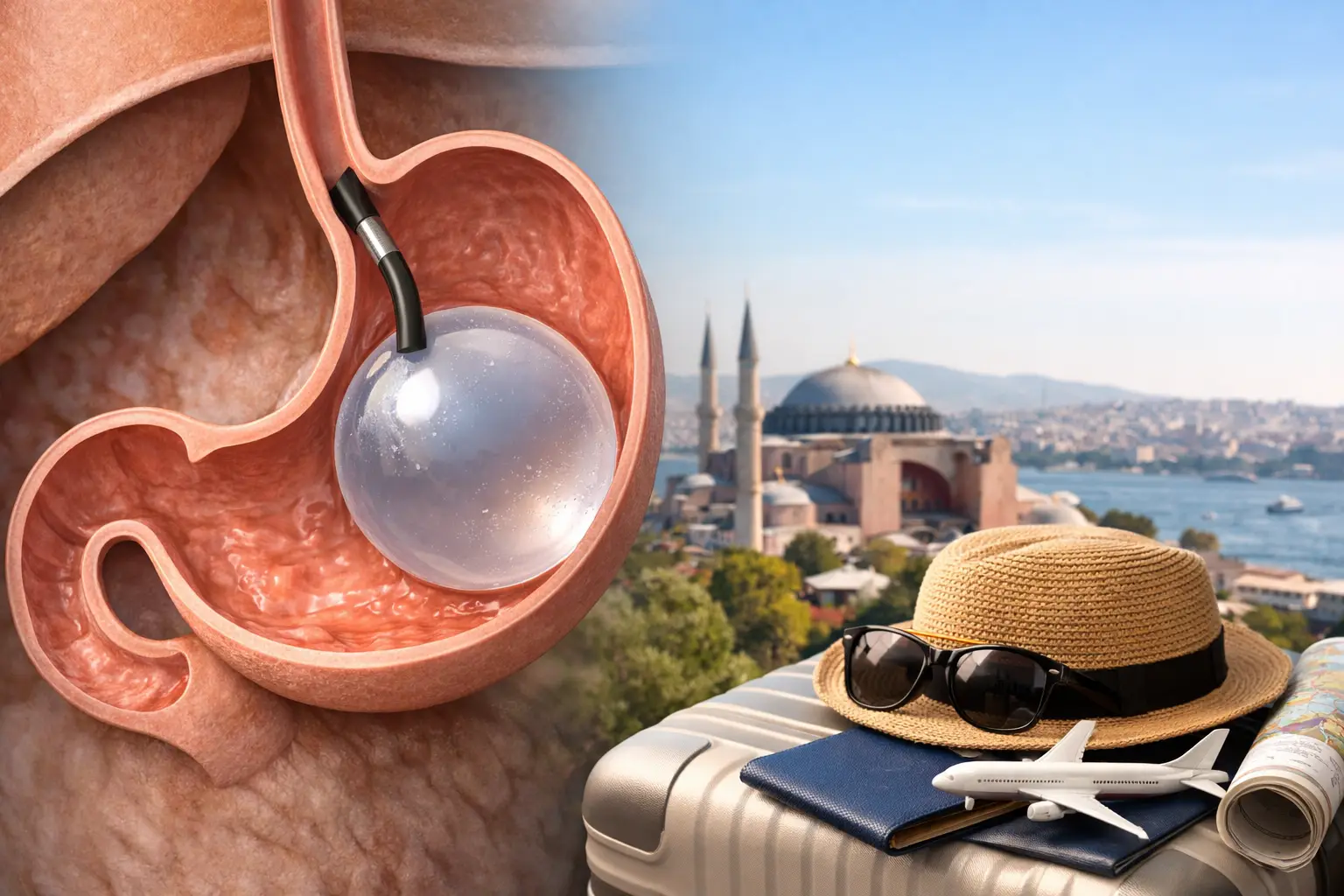
If you are travelling for a gastric balloon, the clinical procedure is only one part of the experience. You also need a clear plan for pre-operative tests, hospital timing, medication, accommodation, airport transfers and access to help if you feel unwell after placement.
For international patients, particularly those travelling from the UK or Ireland, a coordinator-led pathway can make the process feel far less daunting. Bridge Health Travel helps organise the hospital process and practical arrangements so patients can focus on their care rather than managing unfamiliar logistics. Before travelling home, make sure you understand your diet stages, prescribed medication, warning signs and who to contact for aftercare support.
A gastric balloon works best when you see it as a supported period of change, not simply a device placed in the stomach. Give yourself time to ask questions, choose a clinically appropriate team and put follow-up support in place. That preparation can make the first few months feel more manageable and the progress you make more likely to last.